The Arts and Crafts home, without the shopping list
Read a design movement through useful objects and the work behind them.
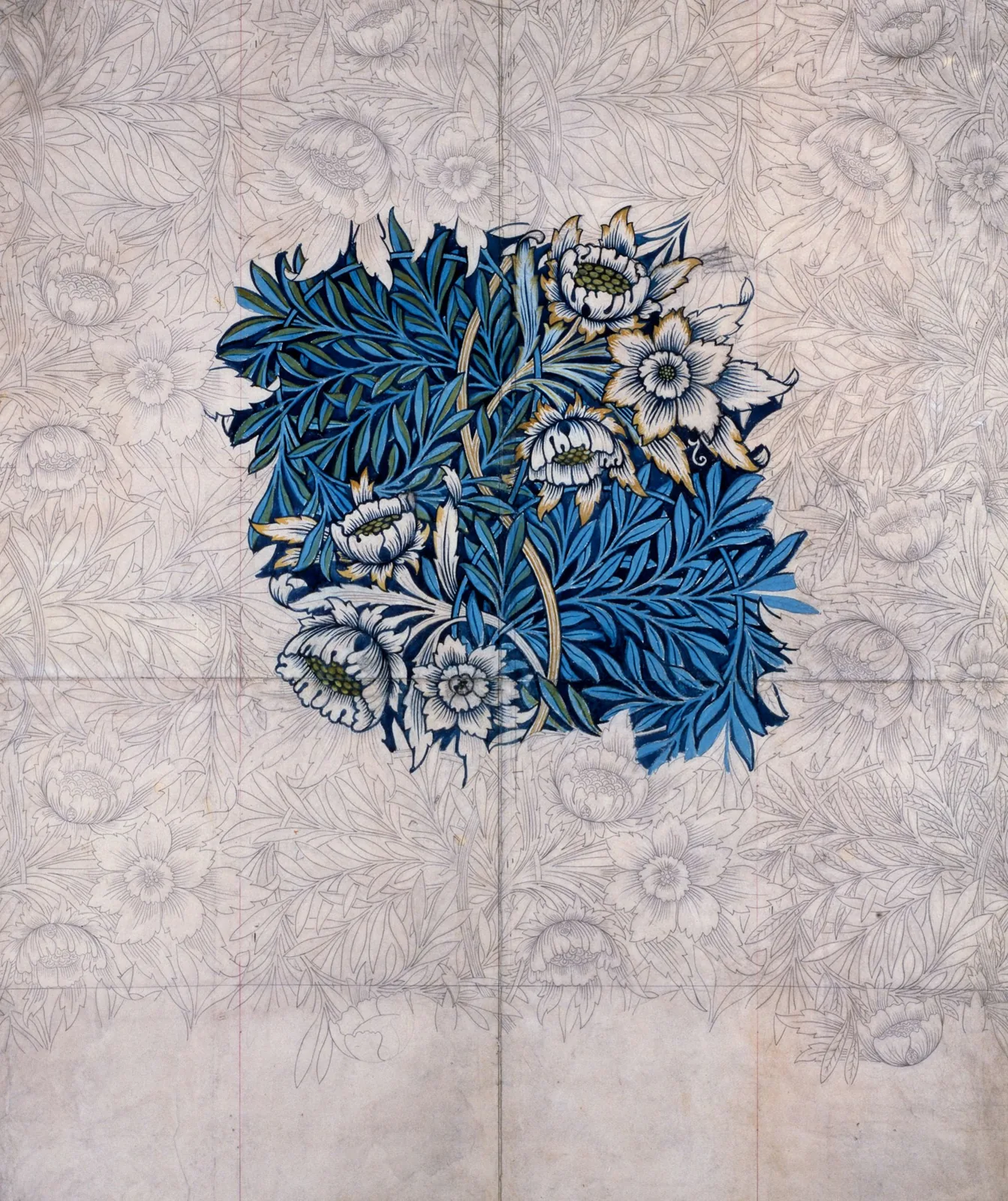
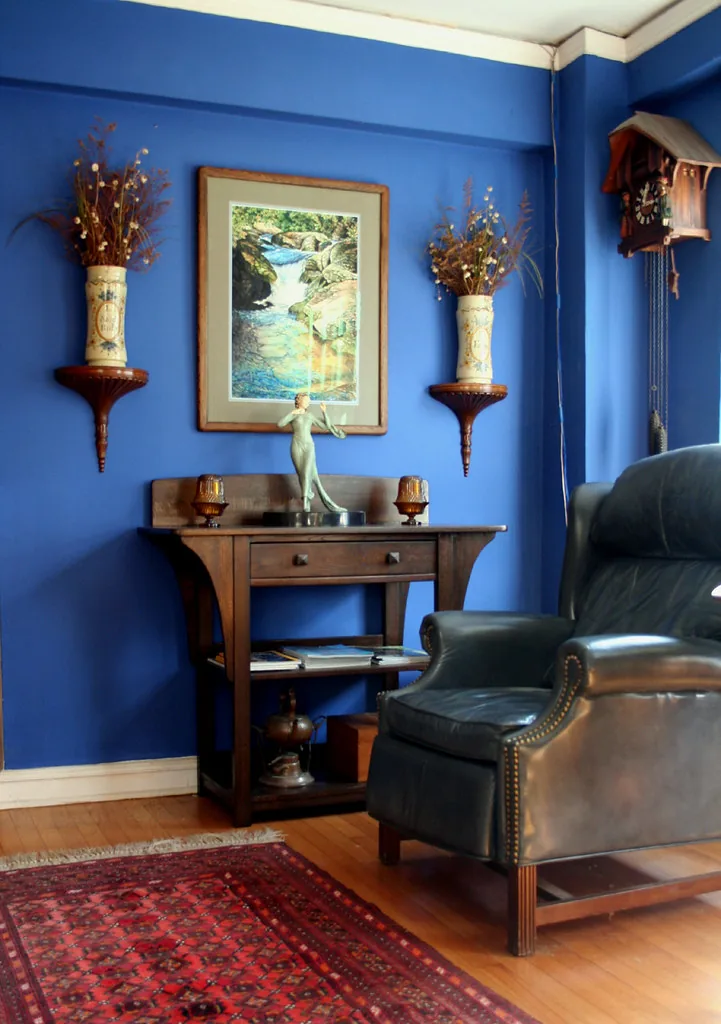
An Arts and Crafts home is easy to reduce to a group of things: patterned wallpaper, dark timber, a ceramic vessel, a woven seat. Those objects can be beautiful, but they are an incomplete account of the movement. The V&A's introduction describes a concern with how goods were designed, made, and valued in an industrial society. For a contemporary home, that history offers questions more useful than a shopping list. What work is visible in an object? Can it be used well? What relationship do you have with the things already around you?
Begin with the ideals behind the appearance
The movement developed through several organizations and workshops rather than a single uniform style. The V&A emphasizes the influence of figures including William Morris and John Ruskin, and the wish to reconnect designing with making. Its domestic objects were part of wider social ambitions, not merely accessories for a rural-looking room. Keeping that context prevents a pattern or material from standing in for the whole history.
It also makes the idea less dependent on ownership. You do not need a recognized antique to look closely at construction, maintenance, or everyday usefulness. A modest stool can raise questions about joinery and comfort. A repaired cloth can reveal how fabric is supported. These are contemporary interpretations of the historical material, not claims that any practical household object belongs to the movement.
Look at how an object works
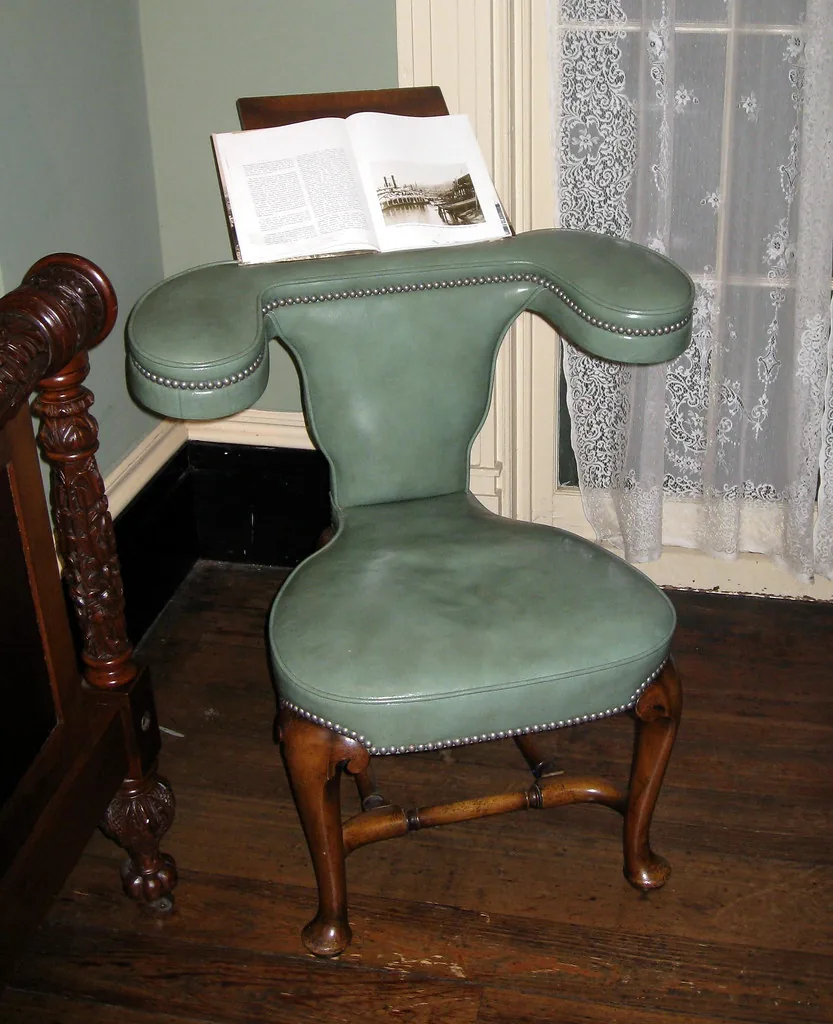
Choose something you handle often. Follow the connection between parts: where a handle joins a cup, how a chair supports weight, or how a drawer moves. Describe only what is visible and avoid assuming the maker or production method from appearance alone. A surface can imitate handwork, and a simple form can involve complicated manufacturing. If the process interests you, look for reliable maker documentation or museum interpretation.
The V&A's discussion of design for the home describes the importance of utility and the expression of materials in Arts and Crafts objects. That invites a practical test. Is the object comfortable to hold? Is it easy to use for its intended purpose? Can worn parts be assessed or repaired? Admiring a visible construction detail need not mean ignoring inconvenience in daily life.
Read pattern as an observation
Natural forms appear frequently in the movement's decorative work, but repeating a famous print is only one way to respond. Look at a leaf, a branch, or the rhythm of a familiar planting and notice how shapes repeat. Make a small drawing for yourself, keeping the living plant in place. This exercise is a way to understand a source of visual ideas, not to copy a protected contemporary design.
If you use historical collections for inspiration, read the object's label and rights information. A museum's possession of an object does not automatically make every photograph of it free to reproduce. Looking, learning, and republishing are different actions. The same care applies when sharing a pattern you found online. Attribution is useful, but it is not a replacement for permission where permission is needed.
Keep the home useful at its own scale
Historical interiors were shaped by particular buildings, resources, and social circumstances. A small rented room should not be judged against a large designed house. Choose one relationship you can improve: a table light that serves reading, a repair that restores a textile, or a shelf where objects can be reached easily. An adjustment can be faithful to your interest in making without pretending to recreate a period interior.
Avoid treating natural materials or hand production as automatic guarantees of quality, ethics, or sustainability. Those judgments require more information about the particular product and its life. The useful lesson is to ask about materials, labor, durability, and maintenance, not to accept a descriptive label as proof. A well-used modern object may fit your household better than a fragile antique.
Include maintenance in appreciation
Repair and care reveal a different side of ownership from acquisition. The V&A Dundee's practical resources divide work into care, repair, and customization, a distinction that makes sense alongside an interest in craft. Before adding an object to a room, consider the work required to keep it useful. Before discarding one, identify whether the problem can be understood and appropriately addressed.
This does not mean every repair belongs at home. Valuable or fragile material may need professional assessment, and some ordinary items no longer have a sensible role. An honest decision can include letting something go through an appropriate route. Keeping an unusable object indefinitely is not the only way to respect the work invested in it.
Leave room for your own household
A home influenced by an idea can remain visually mixed. The chair may be modern, the bowl secondhand, and the cloth repaired by somebody learning. What holds them together is attention rather than a certificate of historical consistency. Keep the historical context available through good museum sources, then make practical choices in the present. The result can be a home that acknowledges making without turning a complex design movement into a required set of purchases.
Sources & further reading
Background sources for the factual guidance in this story. Suggested exercises and arrangements are editorial interpretations.