Following the light through your home
Look at a familiar room at three different hours before rearranging it.
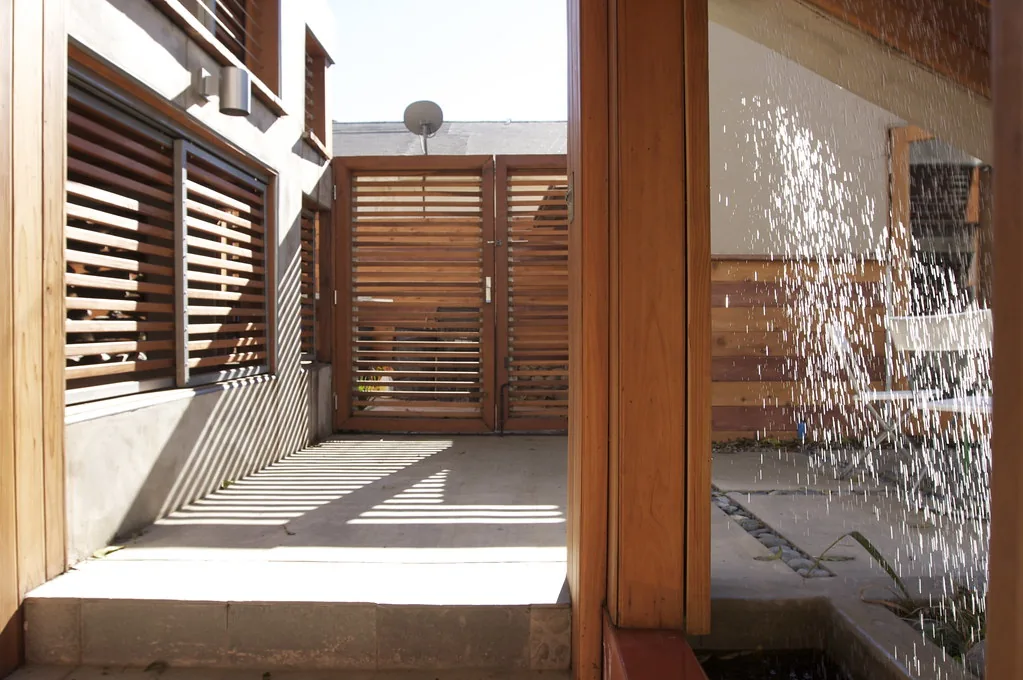
The same room can look like several different places over the course of a day. A pale wall becomes warm, a glass throws a small reflection, and a chair that seemed well placed begins to cast a shadow across the table. Before changing the room, spend a little time watching those shifts. This is a simple observation exercise, not a lighting calculation or a promise about well-being. You are gathering information about the home you already have, at the hours when you actually use it.
Draw a very simple room map
Use a sheet of paper to mark the windows, doors, and the main furniture. It does not need to be to scale, but keep the relationships recognizable. Add the seats and surfaces where you read, work, eat, or make things. These activities give the observations a purpose. A patch of beautiful light on a wall may matter less than a shadow across the place where you sew.
Choose three moments spread across a day that you can realistically observe. They need not follow a universal morning, noon, and evening schedule. Write the actual time and date, along with whether the sky is clear, cloudy, or changing. A single day's map is a sample of those conditions, not a complete account of the room throughout the year.
Describe before explaining
At each visit, mark where direct sun reaches, where the room is evenly lit, and where a useful surface becomes difficult to see. Notice reflections as well as brightness. A polished tabletop or screen can become awkward at a particular angle even when the room looks inviting. Describe the problem from the position where you use it, rather than standing in the doorway judging the overall effect.
The Horniman Museum's observation exercise asks people to look at familiar objects and wonder how reflections change through the day. That is a helpful starting point here. Put a familiar cup in the same position and notice its shadow at each observation. Do not stare into the sun or try to look directly through an intense reflection. The object is a reference for your notes, not a reason to seek extreme light.
Separate pleasure from suitability
A bright corner may be enjoyable to sit in while being unsuitable for a photograph, textile, or book left there permanently. Library of Congress paper care guidance recommends minimizing exposure to intense light, and the Canadian Conservation Institute describes cumulative light damage to textiles. An attractive sunlit display can carry a material cost that is invisible in a room photograph.
Use your map to identify objects you want to protect. A family letter might move to suitable storage while a copy remains on display. A cherished textile may need a less exposed location. Do not assume every plant belongs in the brightest patch either; species have different requirements. Observation tells you what the location offers, but the object or plant determines whether those conditions are appropriate.
Try one reversible change
Move a chair slightly, turn a work surface, or adjust an existing curtain if it can be done safely. Then repeat the activity that prompted the change. Is the page easier to read? Is the reflection reduced? Has the new position narrowed a route through the room? A useful change needs to work in use, not only improve the pattern of light on the floor.
Leave structural alterations, electrical work, and unfamiliar fittings outside this small exercise. You are not trying to solve every lighting issue with furniture. A room may need appropriate professional work or a different task light, but a few notes can make the eventual problem clearer. “The sewing table is shaded after this hour” is more actionable than “the room feels wrong.”
Return in another kind of weather
A cloudy day may reveal an arrangement that depended on direct sun. Try the same three observations when conditions change, and keep the earlier date visible. Avoid treating a cloudy day as inferior; diffuse light can be useful for some activities and less useful for others. The comparison is about how a place functions, rather than ranking days by how closely they resemble a magazine photograph.
If you take photographs, keep the viewpoint similar and remember that automatic exposure and white balance can change the appearance. A brighter photograph does not prove that the room was brighter in the way your eyes experienced it. Use images as companions to written observations, not as precise measurements. A short description of glare or shadow can preserve information a photograph hides.
Let the room remain changeable
Keep the map for a later season and check what has shifted before making a fresh arrangement. Trees outside, neighboring structures, and the time you spend at home can all change the question. You do not need a permanent solution for every hour. Sometimes the useful result is simply knowing when to bring a book to a different chair, and which loved objects should stay outside the moving patch of sun.
Sources & further reading
Background sources for the factual guidance in this story. Suggested exercises and arrangements are editorial interpretations.