Living with things that show their age
Learn the difference between a loved surface and a repair that needs attention.
The worn edge of a table can make a room feel inhabited in a way that a flawless surface does not. Yet affection for age can become careless if every crack or loose joint is called character. Living with older things asks for two kinds of looking: appreciation of what time has made visible, and attention to what the object now needs. Begin with a piece you use every day. Notice the surface, then notice whether it is stable, comfortable, and fit for its present job.
Describe the change without romanticizing it
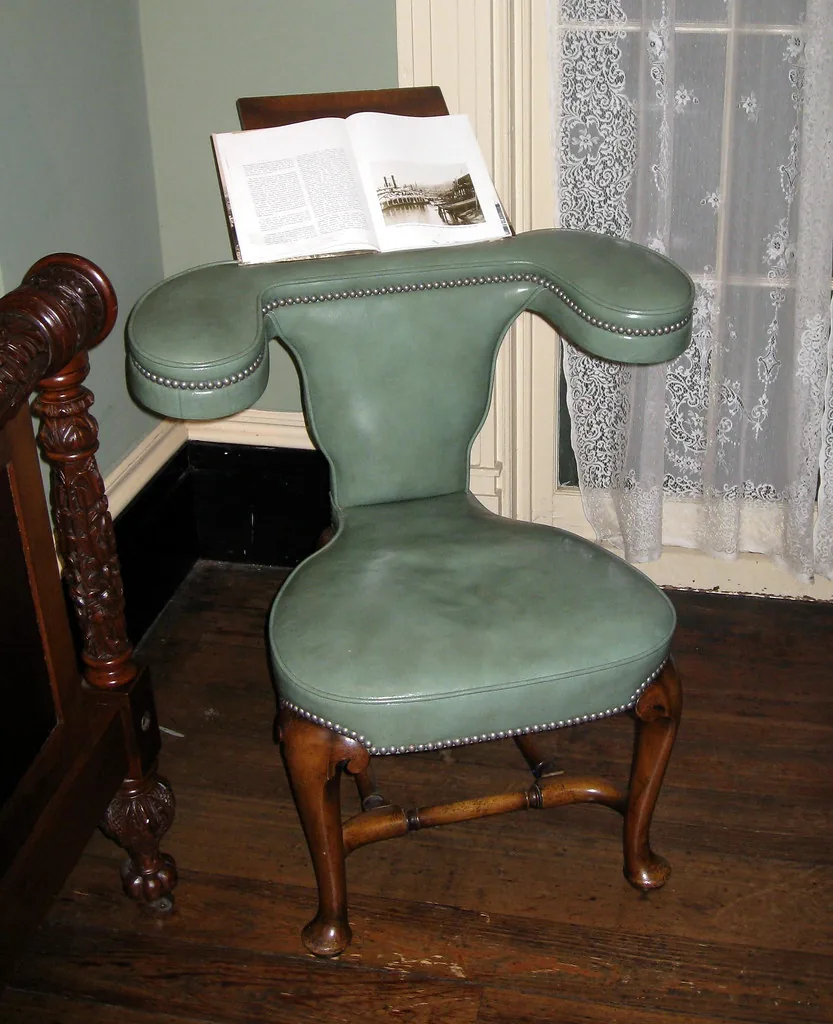
An old chair may have a softened finish, a repaired seat, or a darker area where hands usually rest. These observations are more useful than a broad label such as vintage charm. You may know when a repair was made, or you may not. Keep an unknown history unknown. A secondhand object does not need an invented maker or previous owner to become meaningful in your home.
The Horniman Museum's home observation resource treats ordinary objects as possible carriers of stories. The important word is possible: some stories are documented, some remembered, and some imagined. A note from the person who gave you the chair can be kept as such. A guess based on its appearance should not become a claim about its age, origin, or cultural significance.
Separate appearance from function
A scratch on a stable tabletop presents a different question from a loose leg. A faded textile is different from one whose fibers tear when handled. Inspect the places where the object carries weight or moves. If something wobbles, catches, sheds material, or changes shape, stop treating the issue as purely decorative. Do not continue using it for a load it may no longer support.
For valuable, fragile, or uncertain material, seek appropriate assessment before intervening. The Canadian Conservation Institute's textile guidance stresses support and careful handling; it is not permission to wash or repair every old cloth at home. The Library of Congress similarly distinguishes preserving information from conserving the original object. A beloved heirloom may require a different decision from an ordinary household item with no special value.
Resist the automatic restoration project
Cleaning, refinishing, and replacing parts can change an object irreversibly. Before starting, identify the material and the reason for the work. Do not apply a general household recipe to an unknown finish because it worked on another piece. This article does not provide chemical cleaning or restoration instructions. A conservator, qualified repairer, or material-specific guide can help define what is appropriate.
Ask whether the object needs to look new to serve its purpose. A stable old table may be perfectly useful with a visible mark. A repair can remain legible rather than imitate an untouched surface. Equally, you are not obliged to preserve every sign of use. The decision should follow the object's significance, material, and intended use, rather than a rule that age is always beautiful.
Read design through making
The V&A's account of the Arts and Crafts movement emphasizes concern for how objects were designed and made, not merely a recognizable decorative look. That context offers a richer way to appreciate an older thing. Look at a joint, a woven structure, or the relationship between handle and vessel. What can you actually see about how it works? What would require specialist identification?
This does not mean every handmade or old object is automatically better. Manufacture, repairability, comfort, and suitability vary. An attractive chair may be awkward to sit in, and a modest modern object may be durable and easy to maintain. Attention to making is a way to ask better questions, not a reason to dismiss the useful things already in your home.
Give an object a sustainable role in the room
If a piece is too delicate for daily use, consider whether a less demanding role is appropriate. A textile may be stored with support rather than draped over a busy seat. A damaged book may remain housed while a reading copy does the everyday work. Avoid repurposing that requires irreversible cutting or alteration before you understand the object's significance. Keeping something does not always mean displaying it.
For ordinary items, small habits can reduce avoidable wear. Lift rather than drag a piece when that is the correct handling method, protect a surface according to its material, and keep spills from sitting unnoticed. Follow specific guidance rather than assuming one maintenance product suits everything. The goal is continued use with care, not a room so precious that people are afraid to inhabit it.
Keep the honest story
Record what you know: where the piece came from, a repair date, a maker's label, or why you chose to keep it. Store receipts or photographs separately if attaching them would damage the object. Leave room for future changes. An older thing can carry visible use and still receive timely repair. Its place in a thoughtful home rests on that balance between affection, accurate knowledge, and the practical conditions of living with it.
Sources & further reading
Background sources for the factual guidance in this story. Suggested exercises and arrangements are editorial interpretations.