A reading corner, without buying a room
Start with a chair, a useful light, and a place to leave a book.
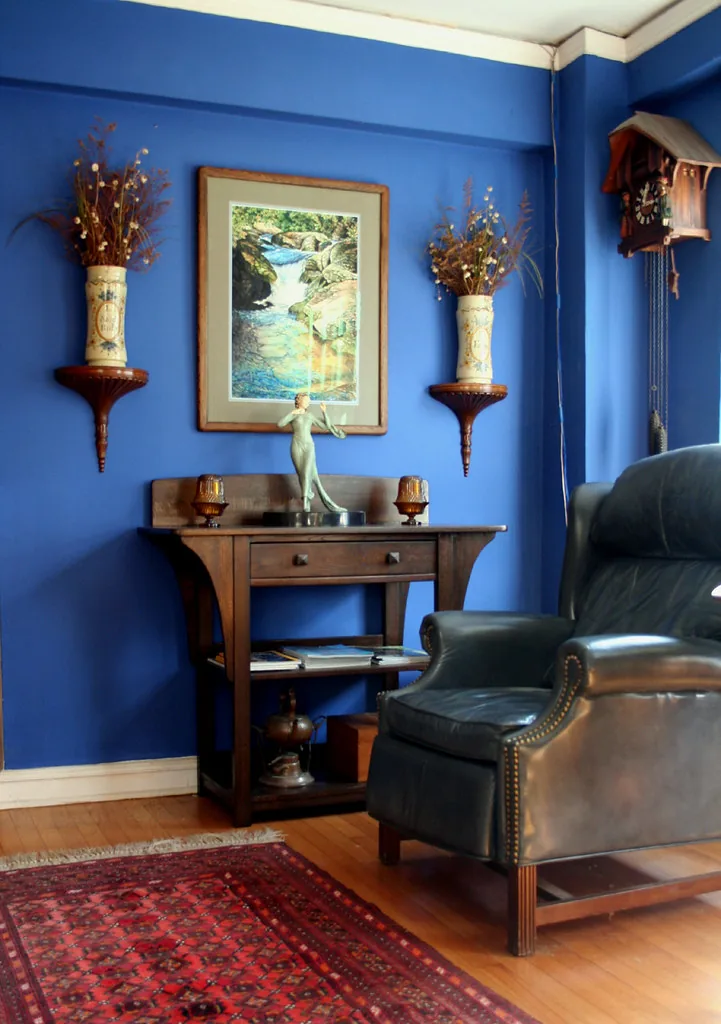
A reading corner is a relationship between a person, a page, and a small part of a room. It does not require a special chair, a new bookcase, or a window with a remarkable view. Before buying anything, sit in the place you already use and read a few pages. Notice what interrupts you physically: nowhere to set the book down, light falling behind your shoulder, a route through the room that passes across your feet. Those details are more useful than an image of a perfect corner.
Begin with the chair you return to
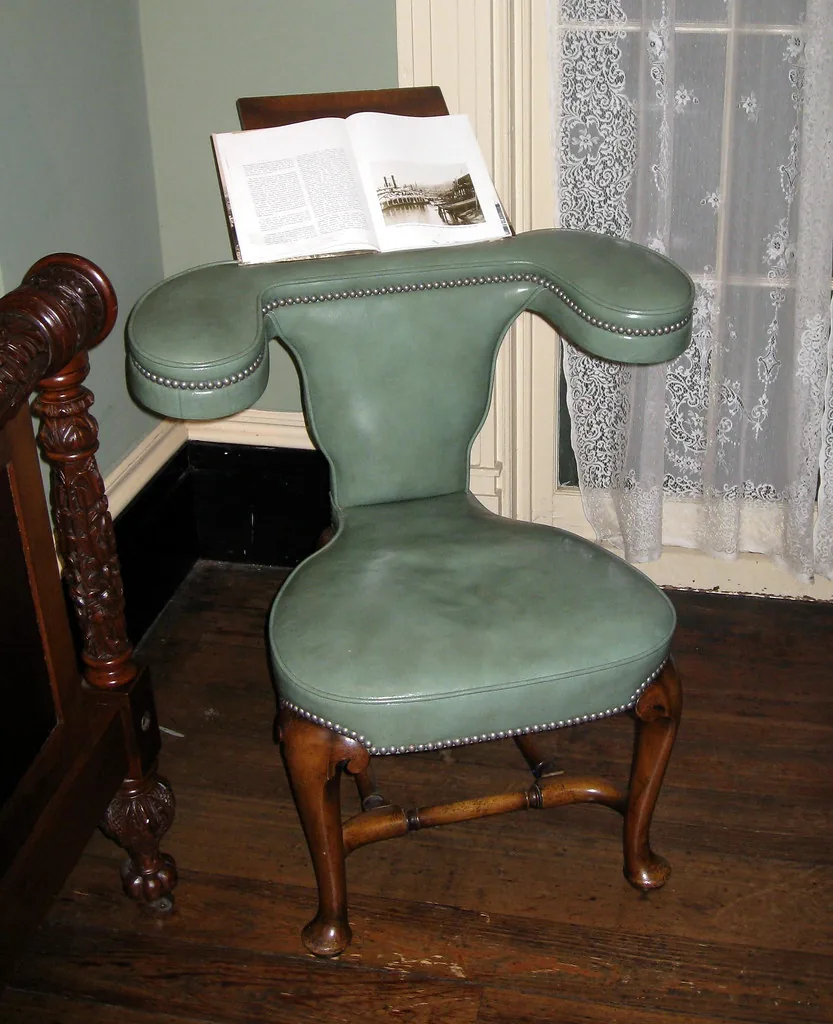
Choose a seat that you can actually use for the kind of reading you enjoy. A deep armchair may suit a novel but make a large illustrated book awkward to support. A table may be more useful for notes or a heavy volume. Comfort is individual, and this is not an ergonomic assessment. The test is a real reading session rather than a rule about what a reading chair ought to look like.
Check whether the seat is available when you want it. In a shared home, the most inviting chair may already serve another purpose in the evening. A flexible arrangement can work better than claiming a permanent corner. Keep the needed book and bookmark in a nearby place, and allow the room to change back when somebody else needs it. A corner can exist as a routine rather than a fixed installation.
Read the light before moving the furniture
Try the seat at the hour you usually read. Daylight changes during the day and across the year, and a pleasant morning position may be gloomy later. Open the book and look for reflections, shadows, and whether you are repeatedly turning the page toward the light. Reposition an existing task lamp where it helps, following its instructions and keeping cables out of circulation routes.
More sunlight is not automatically better. The Library of Congress recommends limiting direct or intense light on books because exposure can damage materials. A valuable volume should not live permanently on a sunny sill. You can enjoy the view while keeping the book itself shaded, or use a less exposed shelf for storage. Light that is attractive in a photograph may be unsuitable for a collection.
Give the book a place to pause
A stable nearby surface makes it easier to put a book down without leaving it open face-down or balancing it on an armrest. Use a table you own, provided it does not wobble or block the way. Keep a drink on a separate suitable surface where possible. The aim is not a styled arrangement of objects but an easy transition between reading and whatever happens next.
Choose a bookmark that does not add damaging pressure or adhesive. The Library's handling guidance recommends care for the binding and clean hands; do not force a resistant book flat simply because a cushion arrangement makes it difficult to hold. Large, fragile, or valuable books may need more specific support. An everyday paperback and an old illustrated volume do not need to be handled identically.
Reduce the competition by one thing
The Horniman Museum's home observation activity encourages looking at familiar surroundings from a different position. Sit in the proposed corner and notice what occupies your attention. A stack of unfinished work may be directly in your sightline. A nearby screen may reflect in a dark window. Move one unnecessary distraction if doing so is practical, rather than emptying the entire room in pursuit of a quiet appearance.
Keep the things you need to stay connected. A phone may contain the book, provide accessibility features, or carry an expected call. Deciding where it rests is a practical choice, not a test of devotion to paper. If background sound helps, use it considerately. If it distracts, see whether a different time or shared agreement is possible before treating the space as fundamentally wrong.
Keep a small working selection
Place one current book and perhaps a second option nearby. A large pile can make the corner feel like unfinished work. Keep borrowed books identifiable and return them to proper storage when they are not in use. The corner's job is to make the next reading session easy, not display the full range of your interests to somebody entering the room.
You can leave a small note about where to resume. A question or a chapter heading may be enough to reconnect you to a demanding text. If a particular book never gets opened, try changing the choice before changing the furniture. A room cannot solve a mismatch between the reading you imagine you should do and the reading you actually want today.
Judge the arrangement after using it
After several sessions, identify the one adjustment that helped. Perhaps the lamp moved, the book gained a stable resting place, or the chair simply turned away from a busy doorway. Keep that change and reverse anything inconvenient. A useful reading corner earns its place through repeated use. It can be modest, shared, and slightly untidy while still making a few pages easier to return to.
Sources & further reading
Background sources for the factual guidance in this story. Suggested exercises and arrangements are editorial interpretations.