Noticing wildlife on an ordinary street
Look for habitat and behavior without disturbing the life you have come to see.
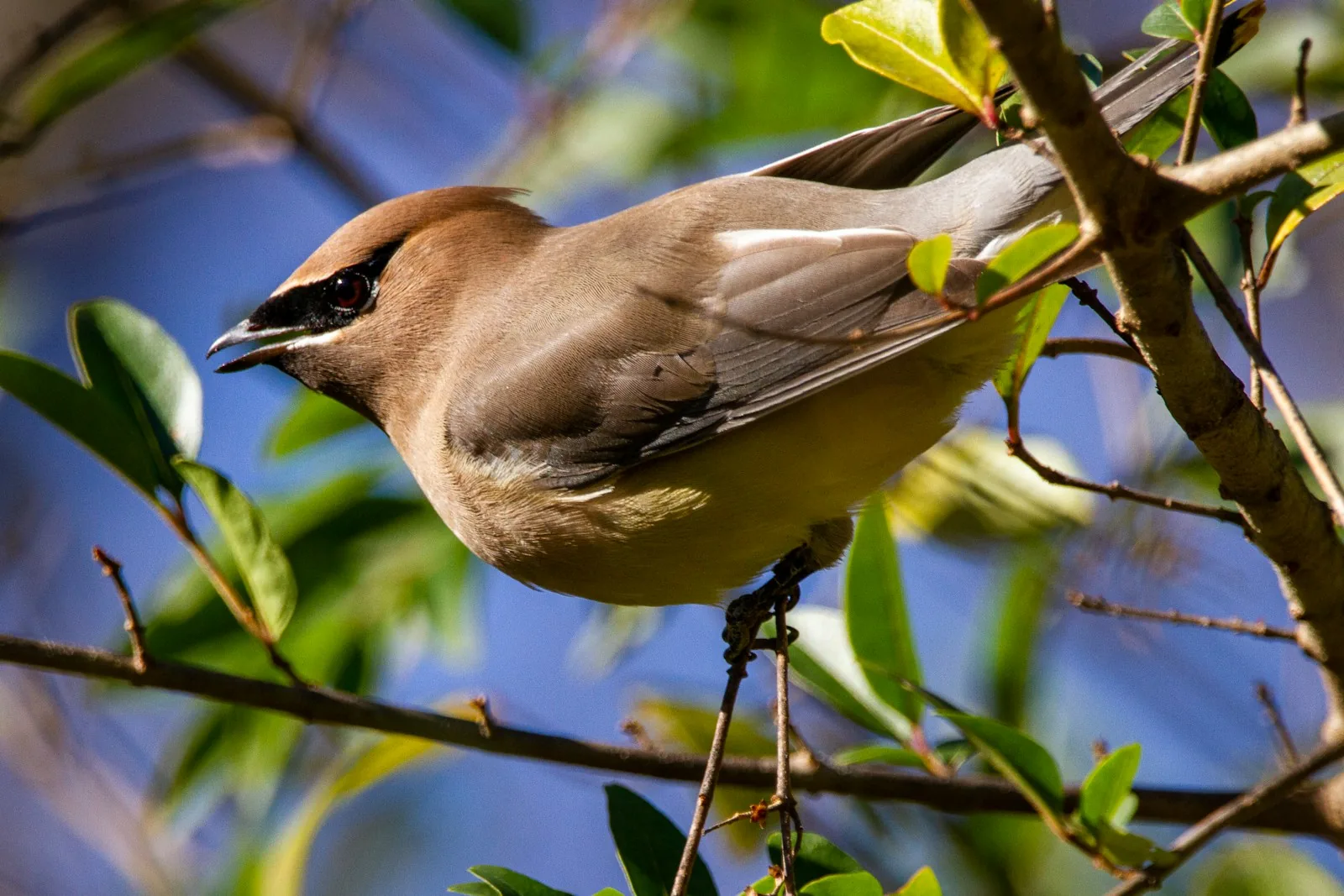
Wildlife does not begin at the edge of a distant reserve. A hedge, a tree pit, a wall, or a small planted area can be part of the life moving through an ordinary street. Looking for it asks for patience more than a dramatic destination. Begin from a lawful, safe place where you can pause without obstructing other people. The aim is to notice habitat and behavior at the available distance, not to bring an animal close enough for a satisfying photograph or make every walk produce a notable sighting.
Look for places, not only animals
Notice shelter, vegetation, and the connections between small patches of planting. A hedge may provide a different environment from a bare paved edge, even when both occupy the same street. The Natural History Museum's urban wildlife resources describe the variety of life in built environments. Use that as a reason to look carefully, rather than assuming that a city view is biologically empty until a large animal appears.
Keep your descriptions grounded in what is visible. A dense shrub can offer cover, but you may not know which animals use it. Record a possible habitat feature as such. Do not label a hole as an active nest or a particular animal's home without appropriate evidence. Curiosity is more useful when it leaves room for the difference between a plausible idea and an observed event.
Choose one short observation
At a suitable stopping place, watch a small area for a limited interval. You might follow movement between a tree and a hedge or notice which parts of a flower patch are visited. Keep road crossings and personal safety separate from close observation. Stop writing or photographing before moving through a busy area. A familiar route can still present changing hazards and access constraints.
The National Park Service's journaling materials recommend recording observations and questions. Write a date, time, and brief conditions before adding what happened. An animal moving out of sight does not need to be followed. A partial record is enough. If nothing appears during the interval, note that without concluding that the place supports no wildlife.
Describe behavior before explaining it
Write the movement you saw: a bird carried an object, an insect landed on a flower, or an animal passed through an opening. An explanation such as feeding, nesting, or territorial behavior may require more evidence. Keep it in a separate question if uncertain. A precise description can later help you investigate, while a confident but mistaken explanation can make the original event harder to recover.
Identification follows the same principle. Use a regionally relevant source and the features actually visible. A silhouette at a distance may not provide enough information for a species name. Record the limit rather than inventing a rare sighting. The notebook does not become less valuable because an entry remains “small brown bird” with a useful sketch of its shape and behavior.
Let distance remain part of the encounter
NPS Leave No Trace guidance asks visitors to observe wildlife without approaching, following, or feeding it. Apply the same restraint on an ordinary street. Do not play calls, offer food, move vegetation, or block an escape route to improve a view. If an animal changes its behavior in response to you, give it more space. A photograph is not worth turning observation into disturbance.
Be especially considerate around nesting or other sensitive activity, and follow local rules and specialist guidance where relevant. Avoid sharing precise locations of sensitive wildlife publicly. A general description can preserve your experience without directing attention to a vulnerable place. Permission to walk through a neighborhood does not grant permission to enter private land or peer into secluded areas.
Include other people in the picture
Streets are shared environments. Leave room for pedestrians, wheelchairs, deliveries, and people using nearby homes or businesses. Ask before lingering in a position that could reasonably intrude on somebody's privacy. If a stopping place is busy, choose another. The most considerate observation may be a shorter one or a return at a different time.
Do not turn differences in gardening or street maintenance into assumptions about a person's intentions. A view may have practical constraints you cannot see. Record habitat features and changes without assigning motives. If you want to support local wildlife, look for relevant community or conservation guidance rather than treating a single observation as a complete management plan.
Return with a clearer question
On a later visit, compare the same area while noting changed conditions and time. A different result may reflect visibility, weather, activity, or chance. Do not force it into a dramatic story of arrival or disappearance. The reward can be a more detailed understanding of one shared place: where movement occurs, what remains uncertain, and how to keep watching without asking the wildlife to perform for you.
Sources & further reading
Background sources for the factual guidance in this story. Suggested exercises and arrangements are editorial interpretations.