A sound map of a quiet place
Use a pencil and a few minutes to notice what a view cannot show.
A place can look still while sounding full of movement. Leaves shift, a door closes, a bird calls behind a wall, and traffic passes beyond the view. A sound map gives those events a rough place on paper. You do not need a silent landscape, a recorder, or the ability to identify every source. Choose a safe, accessible place to pause and use whatever form of listening is available to you. The map is a personal observation, not an acoustic measurement or a test you have to pass.
Choose a place where you can stay comfortably
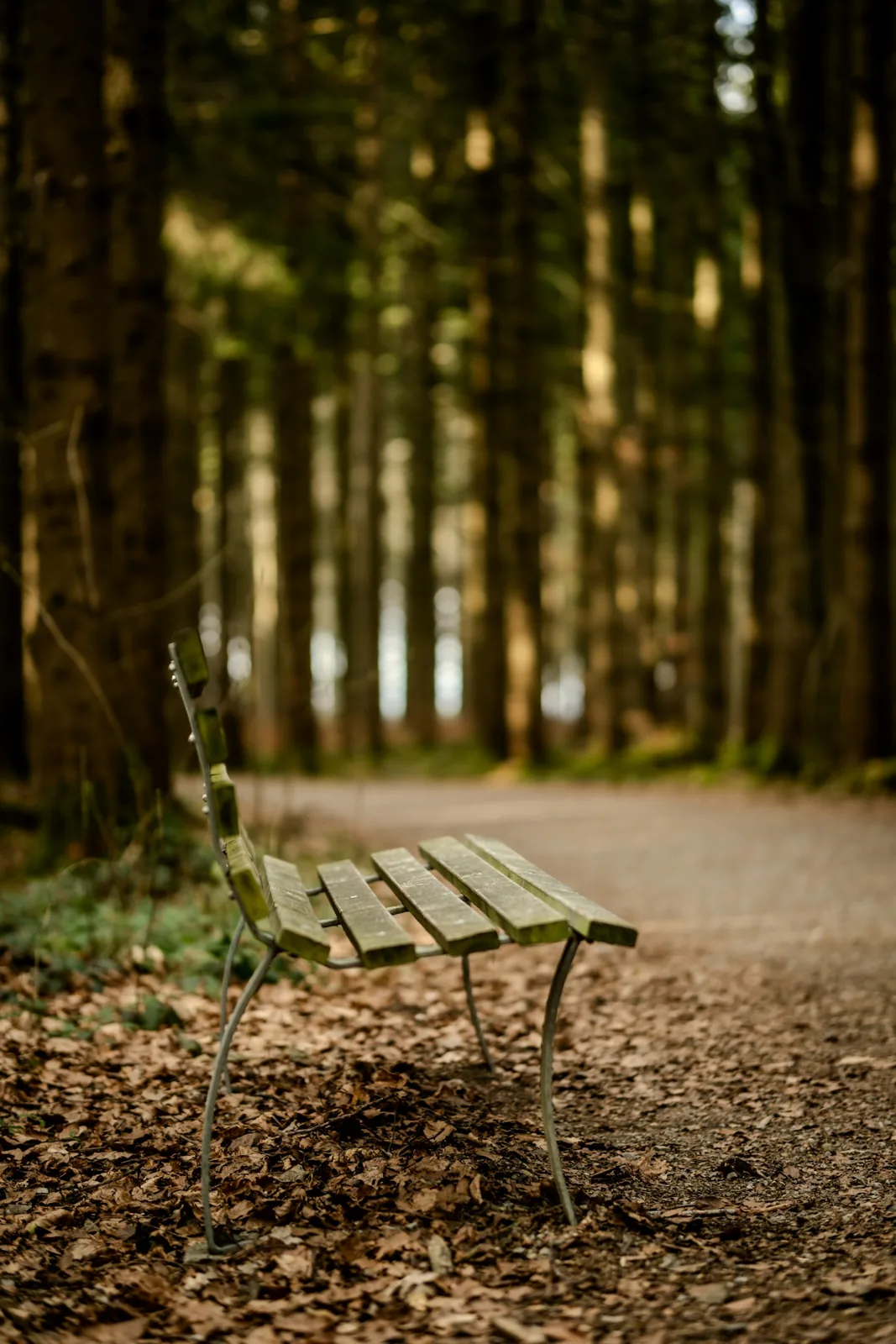
A public bench, a familiar garden, or an open window at home can work. Check that stopping is permitted and does not obstruct other people. If you are outdoors, follow current local access and weather guidance. Do not close your eyes or use headphones in a situation where awareness of traffic or other hazards is necessary. Attention to sound should not remove practical attention to your surroundings.
The National Park Service's natural sound resources encourage exploring soundscapes and considering the effect of human noise. Its nature journaling materials include sound mapping as an observation activity. You can adapt that idea to an ordinary place without claiming that a residential street is equivalent to a remote park. The sounds that are present, including human activity, belong in the record.
Put yourself at the center of the page
Draw a small mark for your position and indicate a fixed direction or visible landmark. You do not need a precise compass bearing for a personal sketch, but a consistent reference helps on a later visit. Leave space around the center for events that seem nearby or farther away. Write the date, approximate time, and the length of the listening interval you choose.
Use a few simple symbols: a line for a continuous sound, a dot for a short event, or words where a symbol is unclear. There is no standard key you must reproduce. Make one that you can understand later and write it in a corner. If drawing is difficult, a list grouped by direction or type can serve the same purpose.
Describe the sound before naming it
Begin with what you hear: a repeated high note, a low steady hum, a brief scraping sound. Then add an identification only if you have enough evidence. A sound behind a wall may have several possible sources. Write a question mark rather than turning a guess into a confident label. Identifying the source is optional; noticing its pattern can be worthwhile on its own.
Mark approximate direction and your impression of distance, keeping both visibly uncertain where needed. Reflections and obstructions can make sound difficult to place. Do not describe the sketch as a measured map of source locations or loudness. It records your perception from one position during one interval, which is a useful but limited kind of information.
Listen for changes within the interval
After the first few marks, notice which sounds continue and which disappear. A steady background can become less noticeable while a sudden event captures attention. Make a second mark when something changes rather than adding every repetition separately. You are looking for the shape of the interval, not producing a complete transcript of every vibration around you.
You might separate natural, human, and mechanical sources if that helps, while acknowledging uncertain or mixed cases. A dog, a bicycle, and a stream can all be present in the same place. Avoid treating every human sound as an intrusion or every natural sound as pleasant. The map can describe the situation without ranking the people or activities that make the place a shared environment.
Keep your own contribution considerate
NPS guidance asks recreationists to respect soundscapes and other visitors. Do not play loud recordings to compare with a bird call or try to provoke wildlife into making a sound. Keep conversation and equipment use appropriate to the setting. A quiet observation should not become a reason to follow an animal or enter a restricted area in search of the source.
If you make an audio recording, consider other people's privacy and relevant local rules. An ordinary listening exercise does not require recording conversations. You can write “voices nearby” without capturing what was said or identifying the speakers. For many personal maps, a pencil record is enough and avoids turning the activity into a technical project with files to manage afterward.
Compare another visit with its context
Return at a similar time if you want to compare conditions, or deliberately choose a different hour and label the change. Weather, activity, and your own position can affect what you hear. A missing sound does not prove its source has disappeared. Write what changed in the observation before explaining why. The finished map can make a familiar view feel more complete by preserving the part of the place that no still photograph can hold.
Sources & further reading
Background sources for the factual guidance in this story. Suggested exercises and arrangements are editorial interpretations.