A nature journal from your window
A place to observe changing skies and nearby life without needing a long walk.
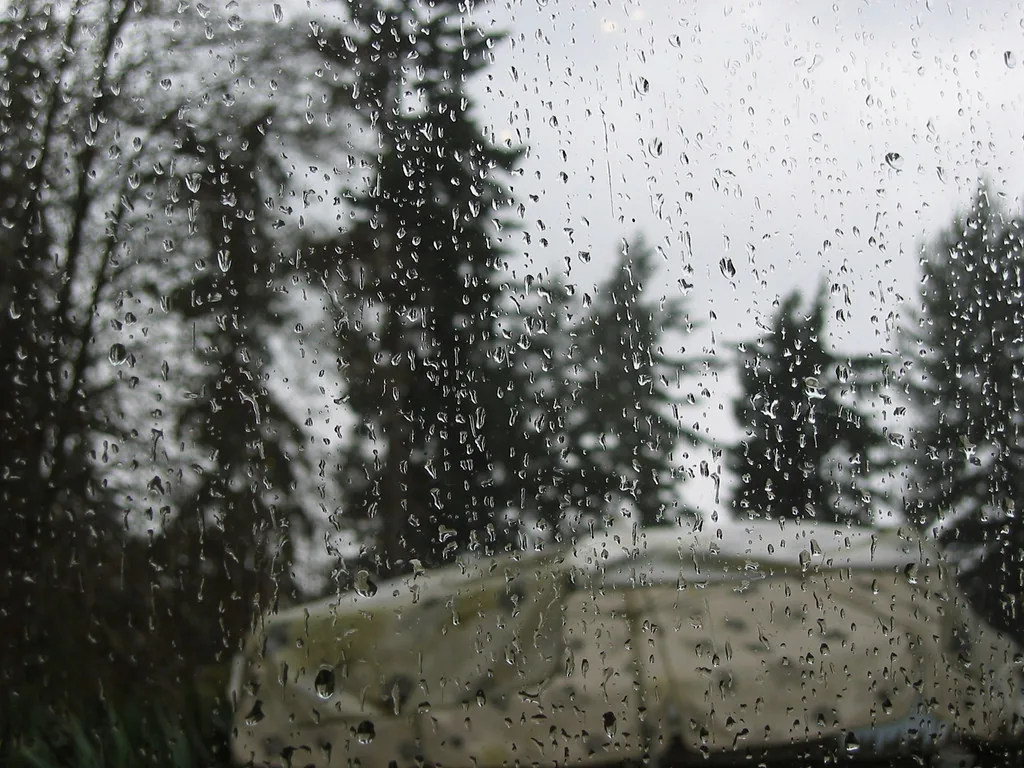
A window can offer a repeatable place to notice the world without requiring a journey. The view may contain a tree, a planter, a patch of sky, or mostly roofs and walls. Each can hold change. A window journal begins with the conditions you actually have, including a limited angle and days when little is visible. It is not a substitute for every kind of field observation, but it is a complete small practice of its own. Choose a comfortable position and let the frame give the record its boundary.
Define what belongs inside the view
Draw a rough outline of the window and the fixed features you can see. Mark the tree, roofline, or balcony edge that will help orient later entries. Avoid recording private details about neighbors or pointing cameras into other homes. The purpose is nearby nature and changing conditions, not surveillance. You can make a useful journal while leaving people's movements and personal spaces out of it.
Choose one part of the view to follow closely. A wide panorama can produce vague descriptions, while a small defined area invites comparison. If the view is mainly built structures, use the sky above them or the way light moves across a surface. The National Park Service's nature journaling materials emphasize close observation and questions; they do not require a spectacular landscape to begin that process.
Keep the first entry descriptive
Write the date, time, and what is visible. Note whether the window is closed, whether rain or reflections affect the view, and whether you are looking from the usual position. These details can explain differences later. A leaf hidden by a reflection is not the same as a leaf that has fallen. Keep limitations in the entry rather than treating them as an inconvenience to erase.
Use words you can support. “A small bird on the upper branch” is better than a species name you cannot verify. “The pavement looks wet” is more precise than guessing when rain fell. Add questions in a separate line. A journal becomes richer when it keeps observation and interpretation in conversation without pretending they are the same kind of statement.
Choose a repeatable observation
You might follow the amount of leaf cover on one visible branch, the flowering of a balcony plant, or the shape of clouds during a brief interval. Select something that can be described from your distance. Do not force the record to include details the view cannot resolve. A simple outline or a few marks can be enough to track a visible change.
The USA National Phenology Network describes the timing of recurring biological events as a field of study. That gives context for noting leafing or flowering, but a personal window journal is not automatically a scientific monitoring record. Formal projects use particular definitions and observation methods. If you want to contribute, check the relevant instructions rather than assuming an informal page can be entered unchanged.
Let different kinds of entries coexist
One day may call for a sketch, another for a short list or a photograph. Keep the basic context visible so the entries remain comparable. If you take photographs, use a similar frame when possible and remember that automatic settings can change brightness and color. A picture taken on a phone is not a measured record of light intensity or exact color.
Do not require a meaningful discovery every time. An entry saying the same buds remain visible can be useful. Repeated absence of obvious change is part of observing, although it does not establish that nothing changed beyond your view. A brief note can preserve continuity without turning the practice into a daily performance or an obligation to find beauty on demand.
Keep the position safe and comfortable
Stay within an ordinary safe viewing position. Do not lean out, climb onto furniture, or alter window fittings to improve the angle. If glare or distance makes a detail unavailable, record that limit. An indoor observation should not become a reason to take an avoidable physical risk. You can shift the question toward something you can see clearly from where you already are.
For wildlife, avoid trying to attract an animal to the window for the sake of the record. Watch from the available distance and follow appropriate local guidance. A journal does not need a close encounter to remain interesting. You can note a pattern of movement through the view without treating the animal as a subject required to stay in place for a drawing.
Read the view across time
At the end of a month, compare a few entries and list what the pages actually support. Perhaps a branch filled with leaves between two visits, or the visible light reached a different wall at the hour you observed. Keep uncertain dates and missed days visible. The window's gift is a fixed point of return: a small frame through which an ordinary place becomes more detailed, without asking you to make it larger than the evidence allows.
Sources & further reading
Background sources for the factual guidance in this story. Suggested exercises and arrangements are editorial interpretations.