Keeping a one-tree diary
Return to the same tree and learn to separate a date from an assumption.
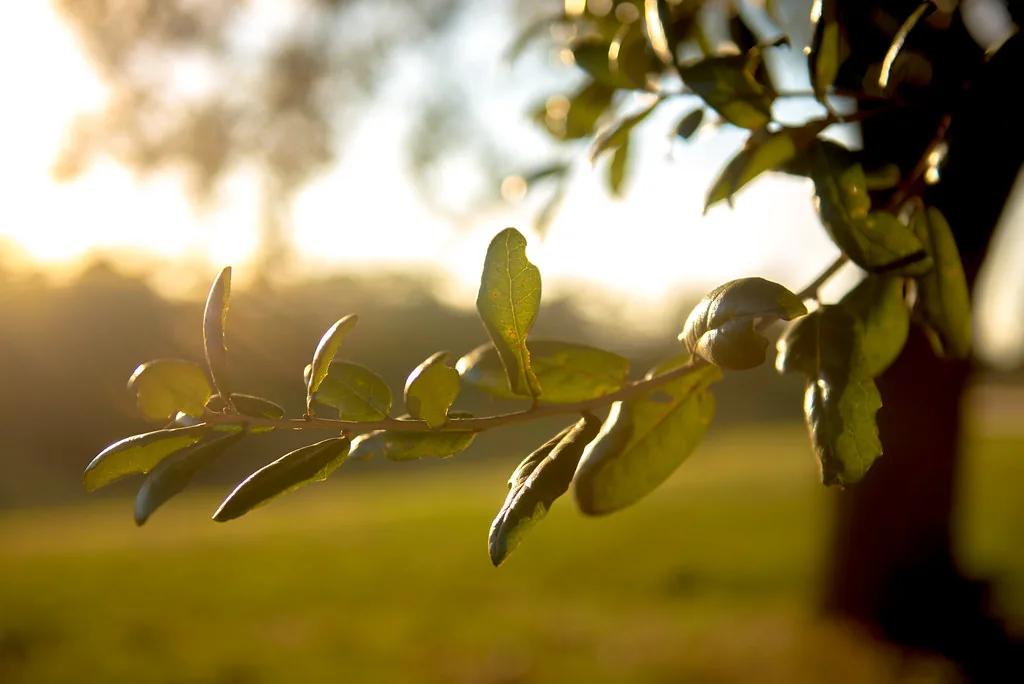
One tree can provide a year's worth of questions without asking you to become an expert before you begin. Choose an individual you can observe repeatedly from a lawful, comfortable place: a street tree, a tree in a public garden, or one visible from home. The diary's first purpose is a careful record of what you notice. It is not a diagnosis of tree health or a complete account of the local climate. Keeping that modest scope makes the observations easier to sustain and the conclusions more honest.
Identify the individual before the species
Give the tree a clear reference in your notebook. A simple sketch of nearby fixed features can help you return to the same one without recording a private address publicly. Note where you stand and which side you can see. If identification is uncertain, describe the tree rather than forcing a name. A mistaken species label can lead you to expect features that belong to another plant entirely.
The Natural History Museum's urban tree resources show how bark, leaves, and other characteristics contribute to identification. Use a guide relevant to your location, not a list from another region treated as universal. You may need to observe several features at different times. Record a tentative identification as tentative, and leave room for correction when better evidence becomes available.
Make a first page that can be repeated
Write the date, approximate time, conditions, and what parts of the tree you can see. Add a simple outline showing the overall shape. Choose a few features to follow, such as visible buds, open leaves, flowers, fruit, or bare branches, depending on the species and season. Do not assume every tree will display all of them during your observation period.
The USA National Phenology Network describes phenology as the study of the timing of recurring biological events. A personal tree diary can borrow the discipline of dated observation without pretending to be a formal monitoring dataset. If you want to contribute to a program, follow that program's definitions and instructions. Your informal categories may not match the evidence a scientific project requires.
Record absence carefully
“I did not see flowers today” is different from “there were no flowers anywhere on the tree.” You may only see one side or a limited height. The same caution applies to leaves and wildlife. Write what your viewpoint permits. A pair of binoculars may help where suitable, but never climb, enter restricted ground, or disturb the tree to complete a notebook entry.
Likewise, the first date you notice an event is not necessarily the date it began. If visits are a week apart, a change may have occurred at any time between them. Record that interval rather than manufacturing an exact first day. This small distinction becomes important when looking back across years. Accurate uncertainty is more useful than a precise date unsupported by the observation.
Use comparison rather than a perfect drawing
The National Park Service's nature journaling resources emphasize observing and making diagrams rather than producing a beautiful picture. Sketch a branch or leaf arrangement if it helps you compare visits. Include a size reference only when you can obtain it without damaging or removing material. A written description can be equally useful when drawing is inconvenient or inaccessible.
Keep photographs from a similar viewpoint where possible. Camera exposure and the visible sky can change how a tree appears, so add a written note about conditions. A dark photograph does not establish poor tree health, and a full-looking canopy does not explain every aspect of its condition. Images are companions to observation, not a substitute for appropriate expertise.
Notice the surroundings without losing the subject
Record changes that affect what you see: pruning, construction, a new obstruction, or a different route. Do not infer the reason for tree work unless reliable information is available. You can also note nearby flowering or animal activity, but keep the chosen tree as the diary's center. Otherwise the record can become a general walk journal and lose the repeated comparison that makes it distinct.
Respect wildlife and leave natural material where it belongs. Do not approach a nest, pull down a branch, or remove bark to identify the tree. A view that remains partly inaccessible is an acceptable limit. If you notice an urgent public safety concern, contact the appropriate local service rather than relying on a lifestyle article or notebook to assess it.
Read a year without forcing a conclusion
After several months, compare the entries and list what is supported: the visits, the visible changes, and the intervals in which they occurred. Separate these from questions you still have. One tree and a short period cannot explain a regional trend. They can, however, make one part of a familiar place more specific. The diary's achievement is a relationship built from return, patience, and an increasingly clear description of what you actually saw.
Sources & further reading
Background sources for the factual guidance in this story. Suggested exercises and arrangements are editorial interpretations.