A familiar walk, seen afresh
Choose a small question and let an everyday route become interesting again.
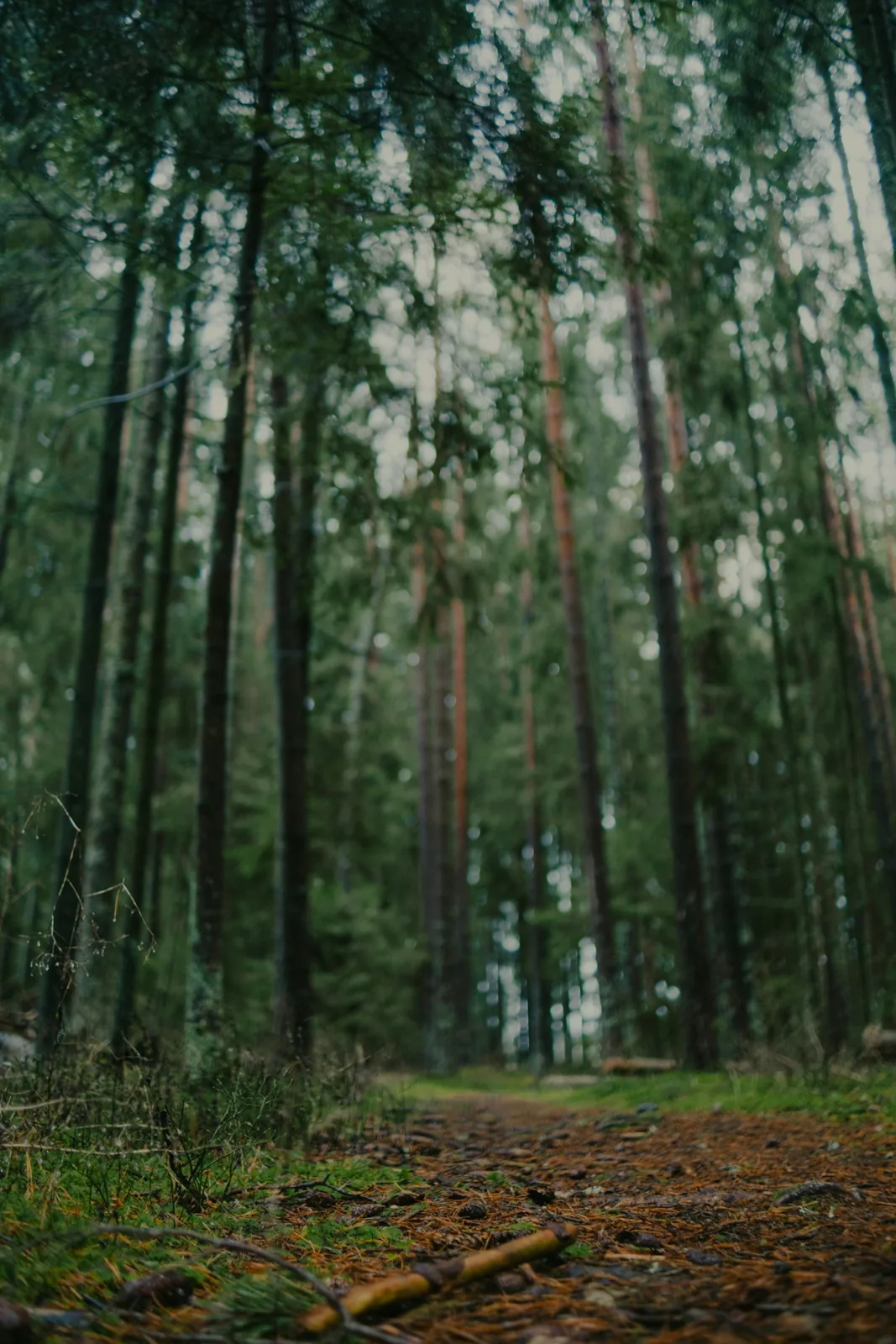
An unfamiliar destination is not the only way to have an interesting walk. A route you already know can offer something a new place cannot: a background against which small differences become visible. The tree by the corner, the narrow strip of planting, and the view between two buildings are all places you can return to. Choose a route that fits your access needs and available time. The aim is not to cover more ground, but to give one small question a place to unfold.
Choose a question before a destination
A useful question is narrow enough to hold while walking. Where are leaves collecting today? Which parts of the street still have flowers? How does the light change between the open square and the shaded path? These questions do not require knowing the names of every plant. They ask you to compare things you can actually see. Avoid beginning with a conclusion you want the walk to prove.
The National Park Service's nature journaling materials emphasize observation, diagrams, and comparison rather than making a beautiful page. Apply that principle to a familiar route by choosing two or three stopping places. Keep them comfortably reachable, and make sure stopping does not obstruct a pavement, doorway, or shared trail. A bench or a broad public viewing area may be more suitable than the most picturesque narrow corner.
Take less than you think you need
A pencil and a small notebook are enough if writing is convenient for you. A short voice note or a few carefully framed photographs can also serve as a record, provided you respect other people's privacy. You are not assembling an expedition kit. Carry what the route and conditions require, check relevant access information, and let the observation fit inside those practical needs.
If a walk is not available today, use a view from a window or a place where you can sit. The same question can work on a different scale. Notice the patch of sky above a roof, a nearby planter, or the sound of wind passing through leaves. This adaptation is a complete version of the activity, not a lesser substitute that has to be improved later by going farther.
Separate what you see from what you suppose
At each stop, make one direct observation before adding an explanation. “Three birds moved from the hedge to the pavement” records something visible. “The birds were looking for breakfast” adds an interpretation that may or may not be correct. You can write both, but label the second as a question. Keeping uncertainty visible makes the record more useful when you return.
Add a date, approximate time, and a few words about conditions. If the ground is wet, say so; do not assume when rain fell unless you know. If you cannot identify a tree, describe its leaves or shape and leave the name open. A drawing of one feature can help you check an identification later. There is no need to fill every space in the notebook during the walk.
Leave the route as you found it
The National Park Service's Leave No Trace guidance asks visitors to leave natural objects in place, keep a respectful distance from wildlife, and consider other users. Those principles remain useful outside a national park. Photograph a leaf instead of removing it from a plant. Stay on established public routes rather than entering a planted bed for a better view. Let a bird move away without following it.
Local rules and conditions still take priority. A familiar path may be closed, flooded, slippery, or unsuitable for a particular mobility aid. Looking closely is not a reason to ignore road crossings or other hazards. Stop somewhere appropriate before writing or taking a photograph. If an area is busy, choose a different stopping place and record that change instead of insisting on the original plan.
Return with a small comparison
On a later visit, ask the same question at the same stops where possible. Compare the notes rather than relying only on memory. Did the leaves collect in a different corner? Was the flower absent, hidden, or simply overlooked? Those are different possibilities. A single missed observation cannot establish that something disappeared, and a short personal record cannot explain a wider environmental trend.
You can also change one part of the exercise. Keep the route but look for textures instead of color, or keep the question and try another accessible street. Do not change everything at once if you want to make a meaningful comparison. The pleasure lies in acquiring a more detailed relationship with somewhere ordinary, rather than turning it into an endless list of specimens to identify.
Before closing the notebook, choose one thing to look for next time. A bud whose shape you did not recognize or a shadow that fell across a wall gives the next visit a gentle starting point. The walk does not need a spectacular discovery to be worth keeping. A few accurate details, collected without taking anything away, can make a familiar place feel less interchangeable with the rest of the day.
Sources & further reading
Background sources for the factual guidance in this story. Suggested exercises and arrangements are editorial interpretations.