Keeping a record of what you make
Build a useful project notebook that remembers materials, changes, and lessons.
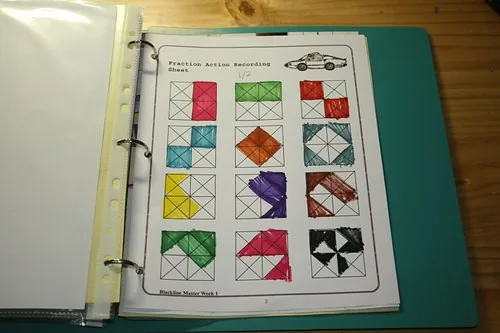
A project notebook is most useful when it remembers the detail you would otherwise have to discover twice. The paper size that fit an envelope, the thread that tangled, the change made halfway through a pattern: these are small pieces of practical knowledge. They do not need to be presented as a polished portfolio. Begin with one project and record enough to understand what you actually did. Keep plans, observations, and conclusions visibly distinct so that an untested idea does not become a method you later mistake for proven experience.
Start with the project's question
Write what you are trying to make or understand. A question such as whether two scraps will lie flat together is more useful than a broad ambition to improve at sewing. For a card, the question may concern a fold or envelope fit. For drawing, it may be how a handle changes with viewpoint. Defining the question gives the notes a purpose without requiring every creative session to become a formal experiment.
Add the date and the stage you have reached. If the project uses somebody else's pattern or instruction, record the creator, title, source, and any relevant version. Keep their words and diagrams separate from your own notes. A reference helps you return to the source and respect its rights; copying an entire published guide into a notebook is not necessary for a useful record.
Record materials before they lose their labels
Write down the composition, dimensions, and other properties you actually know. For an unidentified scrap, use “unknown” rather than assigning a fiber by appearance. Keep packaging information when it affects care or future replacement. A material's color may be easy to remember while its weight, finish, or washing requirements disappear as soon as the label is discarded.
If you keep a sample, choose an attachment or separate container that suits it. The Library of Congress's album guidance cautions against excessive bulk and inappropriate adhesives on important material. A project log need not be archival in every detail, but it should close naturally and remain easy to handle. Large, heavy, or potentially staining samples may be better stored separately with a reference in the notebook.
Write decisions at the moment they matter
When you change a dimension, tool, or sequence, add a short note before continuing. Memory can smooth over the trial that produced a successful result. You may later remember only the intended plan and accidentally repeat the first mistake. A crossed-out measurement with a reason is valuable information, not a flaw to hide when the page is photographed.
The V&A's repair resources distinguish the care of an item from its repair or customization. Use similarly clear labels in your log. Was the change necessary to restore function, or did you prefer a different appearance? What condition did the object have before you started? These questions prevent a decorative alteration from being remembered as a structural solution without evidence.
Describe what happened, including the limits
Record an observable result: the folded card fit, the seam puckered, or the fabric sample lay flat after the step you tried. Avoid turning that result into a universal claim. One sample does not establish that a technique suits every material or will withstand years of use. If durability has not been checked, say so. A useful notebook preserves the edge of your knowledge as carefully as the successful step.
Photographs can help if the viewpoint and scale are clear. Include a ruler where dimensions matter, but do not assume a photograph replaces written measurements. Changes in light and camera settings can alter apparent color. A close-up may also hide a problem elsewhere in the object. Choose images that explain the decision rather than only the most flattering final view.
Keep unfinished work easy to resume
Before stopping, write the next action and any materials that must remain together. Store sharp tools securely rather than leaving a needle in cloth as an informal bookmark. If the work belongs to another person, record what has been agreed and what still needs their decision. A project log can reduce confusion, but it does not replace checking the owner's wishes before an irreversible alteration.
For a failed attempt, note whether you will retry, seek guidance, or stop. Not every project deserves indefinite storage as unfinished work. An honest decision to abandon a method can still preserve useful learning. Keep a small sample or photograph if it explains the problem, and release materials appropriately when they no longer have a purpose.
Review the record before starting again
Open the earlier page when a similar project appears. Look for the material, the change that mattered, and the limit that remains untested. Add a cross-reference instead of rewriting the whole account. Over time, the notebook becomes a personal practical resource rather than an inventory of everything you have produced. Its quiet achievement is continuity: the next session begins with what you learned, instead of asking you to begin from memory once more.
Sources & further reading
Background sources for the factual guidance in this story. Suggested exercises and arrangements are editorial interpretations.