Finding a houseplant its right place
Begin with the light and conditions you have, then choose a plant that fits.
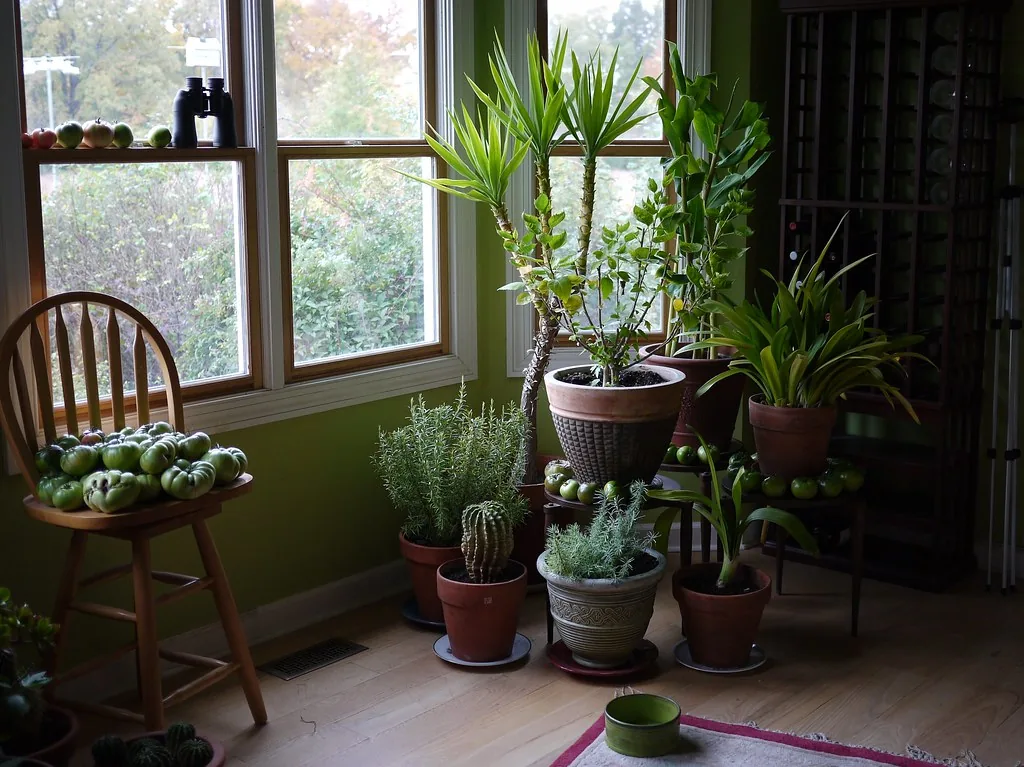
A houseplant is not a finishing touch that can be placed wherever a room has an empty corner. It is a living thing with requirements that may or may not match the conditions available. Begin with the place before the purchase. Notice the light, temperature changes, access for watering, and the people or animals sharing the home. An attractive plant can still be a poor choice for that position. A more suitable species, or no plant in that particular corner, may be the better design decision.
Describe the conditions you can provide
Observe the proposed location at several times of day. Does direct sun reach it, or is it bright without a sharp patch of sunlight? Is the light obstructed by another building or a tree? Avoid relying on a single photograph, whose exposure may make a dim corner look bright. Write a simple description and note the season, because the same window can offer different conditions across the year.
The Royal Horticultural Society's growing guide recommends checking a plant's requirements before buying and choosing one suited to the home. That order is important. A general label such as easy-care does not mean a plant will tolerate any position. Use reliable information for the actual species or cultivar where relevant, rather than assuming every plant with a similar leaf shape wants the same treatment.
Look beyond the light
Check whether the position is near a radiator, a cold draught, or a window area that becomes unusually hot or cold. The RHS guide identifies temperature and humidity as part of placement, not secondary decorative details. A shelf can have a suitable view of daylight while still offering unsuitable conditions around it. Consider what happens when heating, curtains, and ventilation are used normally.
Think about maintenance access. Can the plant be inspected and watered without reaching precariously or moving fragile objects? Is there a stable way to protect the supporting surface from moisture? A hanging or high position may look appealing but make basic care difficult. Choose an arrangement you can manage safely and regularly rather than assuming the inconvenience will disappear once the room looks complete.
Match the plant with evidence
Use the plant's name to find a specific growing guide and compare the stated conditions with your observations. If the label is vague, ask the supplier for identification and care information. Avoid buying an unidentified plant on the assumption that internet image matching will settle the matter later. The uncertainty affects placement, watering, and any household precautions that may be relevant.
If children or animals may access it, check the particular plant against reliable safety information appropriate to the household before buying or placing it. This article does not certify a species as safe. A high shelf is not automatically a dependable barrier, and a fallen leaf can become accessible elsewhere. The responsible choice may be a different plant or a nonliving decorative object.
Inspect the plant before bringing it home
The RHS recommends looking for sound growth and avoiding plants showing concerning symptoms. Examine leaves, stems, and the growing medium without damaging the specimen. A wilted plant in wet material may have a different problem from one that has dried out. Do not assume every discounted or struggling plant is an easy rescue, especially if you lack the conditions or knowledge it requires.
Ask how it has been grown and what changes to expect during transport or placement. Protect it from unsuitable exposure on the journey according to its requirements. Once home, keep enough access to observe its response. A plant placed immediately into a tight decorative arrangement may be harder to inspect when a problem begins. A little working space is part of good display.
Keep the container practical
Understand how water leaves the growing pot and whether a decorative outer container can collect it. Do not assume an attractive vessel provides appropriate drainage. Follow species-specific potting and watering guidance, and protect household surfaces without trapping the plant in standing water unintentionally. The pot's appearance and its function need to be considered together.
Avoid unnecessary repotting or treatment simply because the plant has entered a new room. The right action depends on its condition and the relevant growing advice. A general lifestyle arrangement cannot diagnose a root problem or prescribe a universal medium. If something is unclear, gather specific information before making several changes at once and losing track of what affected the result.
Let care revise the composition
After placement, observe the plant rather than insisting that it remain in the spot chosen for a photograph. The RHS's advice on poorly houseplants emphasizes conditions and careful assessment of symptoms. Changes may call for more specific guidance, and several causes can produce similar signs. A thoughtful room makes space for that uncertainty. Its plant belongs where it can be cared for appropriately, even if the final arrangement differs from the first visual idea.
Sources & further reading
Background sources for the factual guidance in this story. Suggested exercises and arrangements are editorial interpretations.