Choosing linen for everyday use
Look beyond the photograph to weave, care, and how a cloth will be used.
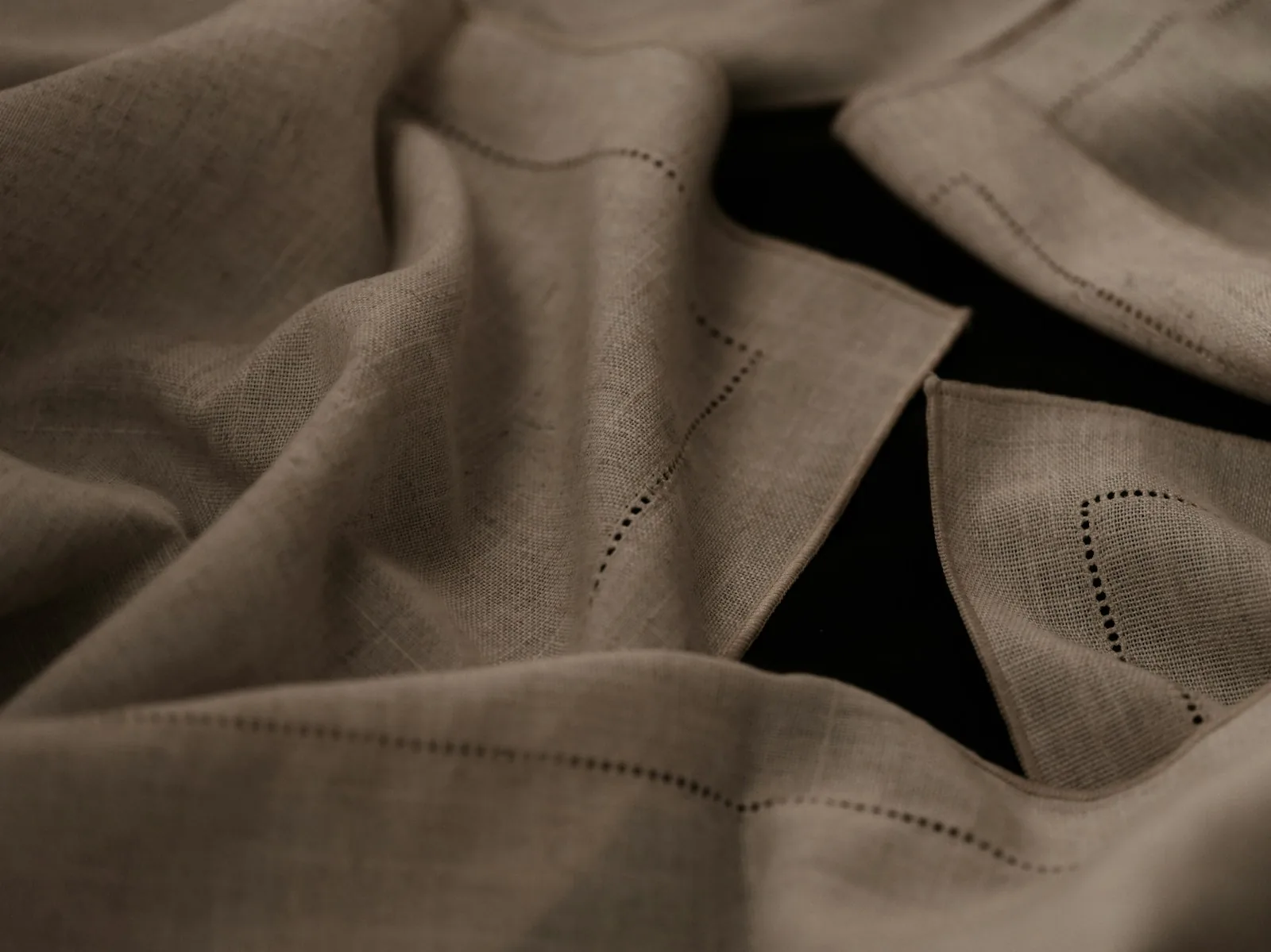
A linen cloth in a photograph tells you little about how it will behave at your table. The drape may be appealing, but the useful questions concern size, weave, weight, care, and the work you expect it to do. Begin with the task rather than the material's reputation. A napkin, a curtain, and a cloth used under a bowl do not need identical qualities. Linen can be a good choice for some of them, but the word on a label is only the beginning of a decision.
Distinguish the fiber from the finished cloth
The Canadian Conservation Institute identifies linen among natural textile fibers and emphasizes that fibers have different physical and chemical characteristics. A finished household item also depends on how yarns are woven, whether fibers are blended, and what treatments or finishes have been applied. Two products described as linen can therefore feel and perform differently. Read the full composition rather than relying on a large decorative label.
Look closely at the weave if you can handle a sample. Is it open or dense? Does the fabric feel light, substantial, stiff, or flexible? These observations do not prove quality on their own. They help you decide whether the cloth fits its purpose. A sheer fabric that is beautiful at a window may be a poor choice for a job that requires a dense, protective surface.
Measure the actual use
For a tablecloth, measure the surface and decide how much fabric can hang comfortably without catching on chairs or obstructing movement. For napkins, consider how they will be held, washed, and stored. For a decorative runner, check whether it will support objects steadily. There is no universal best size; household layout and use matter more than copying the proportions in a styled image.
If you are replacing something, inspect the old item first. What worked, and what made it inconvenient? A cloth that needed constant repositioning may have been the wrong size or unsuitable for that surface. Changing the fiber alone will not necessarily solve the problem. Write the practical requirements down before looking at colors so that an attractive image does not erase them.
Read care instructions as part of the purchase
Check the stated washing, drying, and ironing requirements and decide whether you are willing and able to follow them. Do not assume all linen can be treated identically. Blends, dyes, finishes, trims, and construction can affect care. If a supplier cannot provide basic composition and care information, that uncertainty belongs in the decision. A low price does not remove the work an awkward item may create.
The V&A Dundee's clothes-care resources encourage understanding labels and maintaining what is already owned. That principle applies to household textiles too. Choose a routine you can sustain rather than promising yourself an elaborate new laundry practice. A cloth that will only be used on imaginary occasions may be less useful than a simpler item that fits ordinary life.
Decide what appearance you are willing to maintain
Some people enjoy a relaxed, visibly creased surface; others prefer a smoother finish. Neither preference is a moral position. Look at the item after the kind of care you expect to give it, if a sample or clear supplier information makes that possible. A carefully pressed product photograph may not represent how you want to use it every week.
Color deserves the same practical scrutiny. A pale cloth may show marks you would rather not manage, while a heavily dyed fabric may require separate care or testing. Follow the item's instructions rather than improvising a stain treatment on valuable material. Avoid choosing a color solely because it fits a room palette if its maintenance would keep the item permanently in a cupboard.
Keep everyday care separate from conservation
Museum textile advice is designed for collections with different priorities from a working household. The Canadian Conservation Institute's guidance on fragile textiles should not be turned into a general instruction to wash an heirloom as if it were a new table napkin. If an old embroidered linen has historical, monetary, or personal significance, seek appropriate guidance before cleaning or altering it.
For ordinary textiles, store items clean and thoroughly dry according to their care requirements. Avoid forcing a full cupboard closed over a delicate edge. Check storage periodically rather than assuming a cloth remains in the same condition indefinitely. Material care is less visible than the first arrangement on the table, but it determines whether the item remains available for everyday use.
Choose for continued use
Before buying, ask whether an existing cloth can do the job, whether a sample would settle uncertainty, and whether the proposed item fits the actual care routine. Record the dimensions and composition of a piece that works well so that future decisions are easier. The best choice is not the most evocative description of linen. It is a textile whose material, construction, and maintenance make sense in the life you expect it to have.
Sources & further reading
Background sources for the factual guidance in this story. Suggested exercises and arrangements are editorial interpretations.