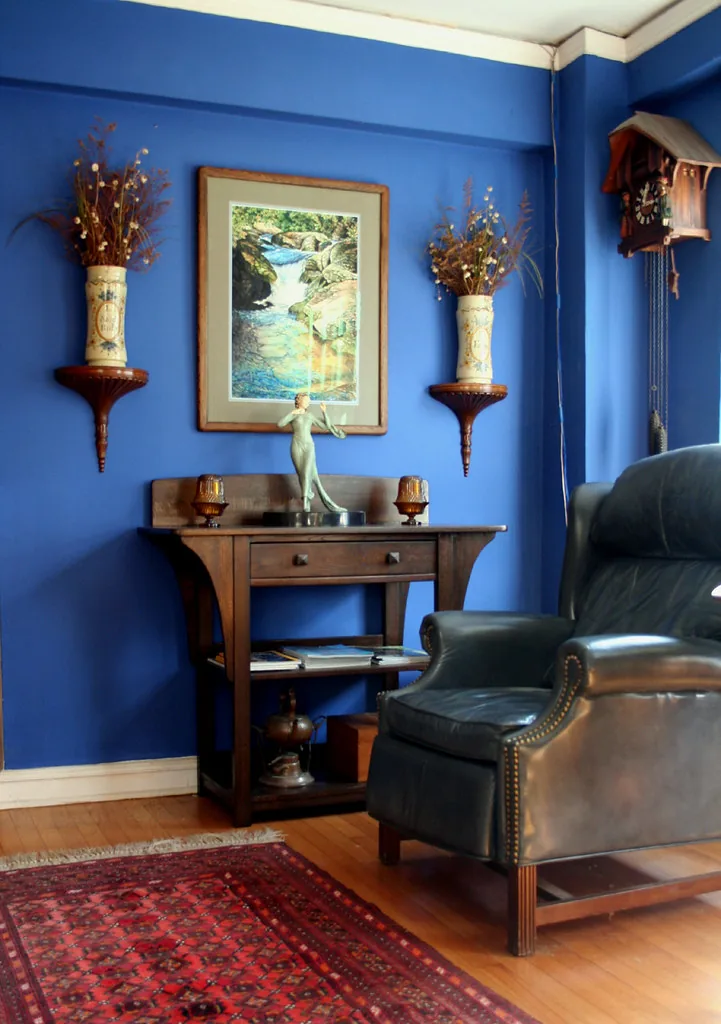
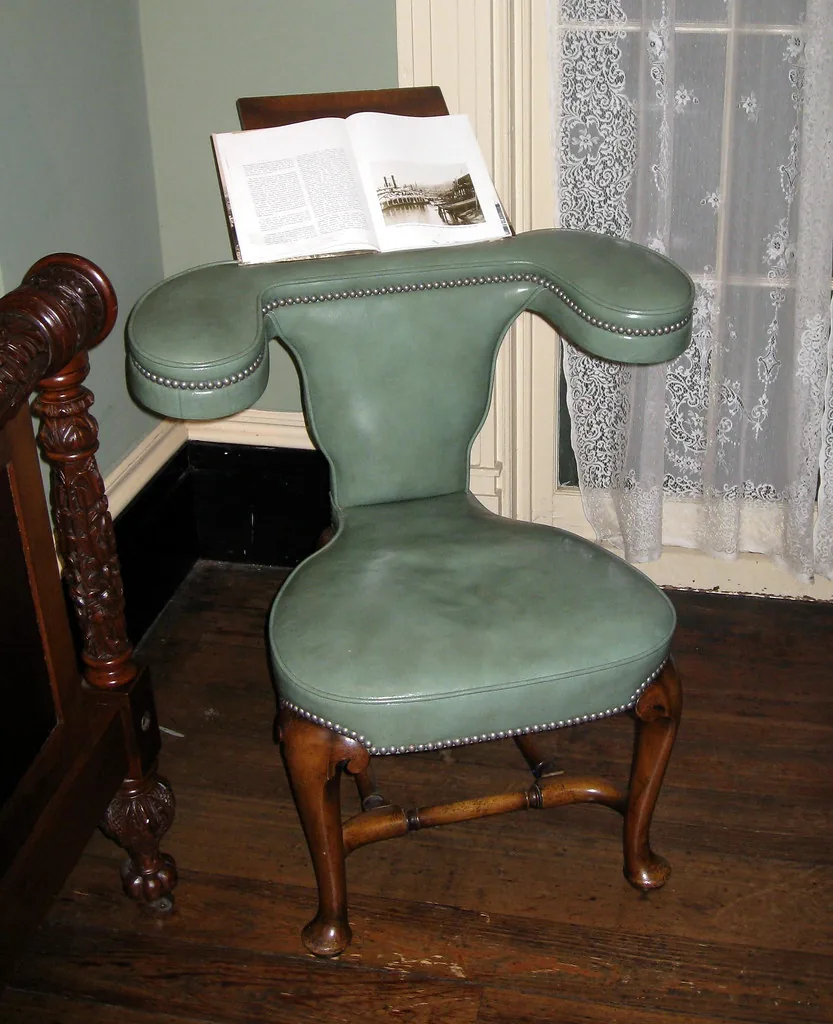
A welcoming hallway in a small home
Give everyday arrivals a useful place to land without narrowing the way through.
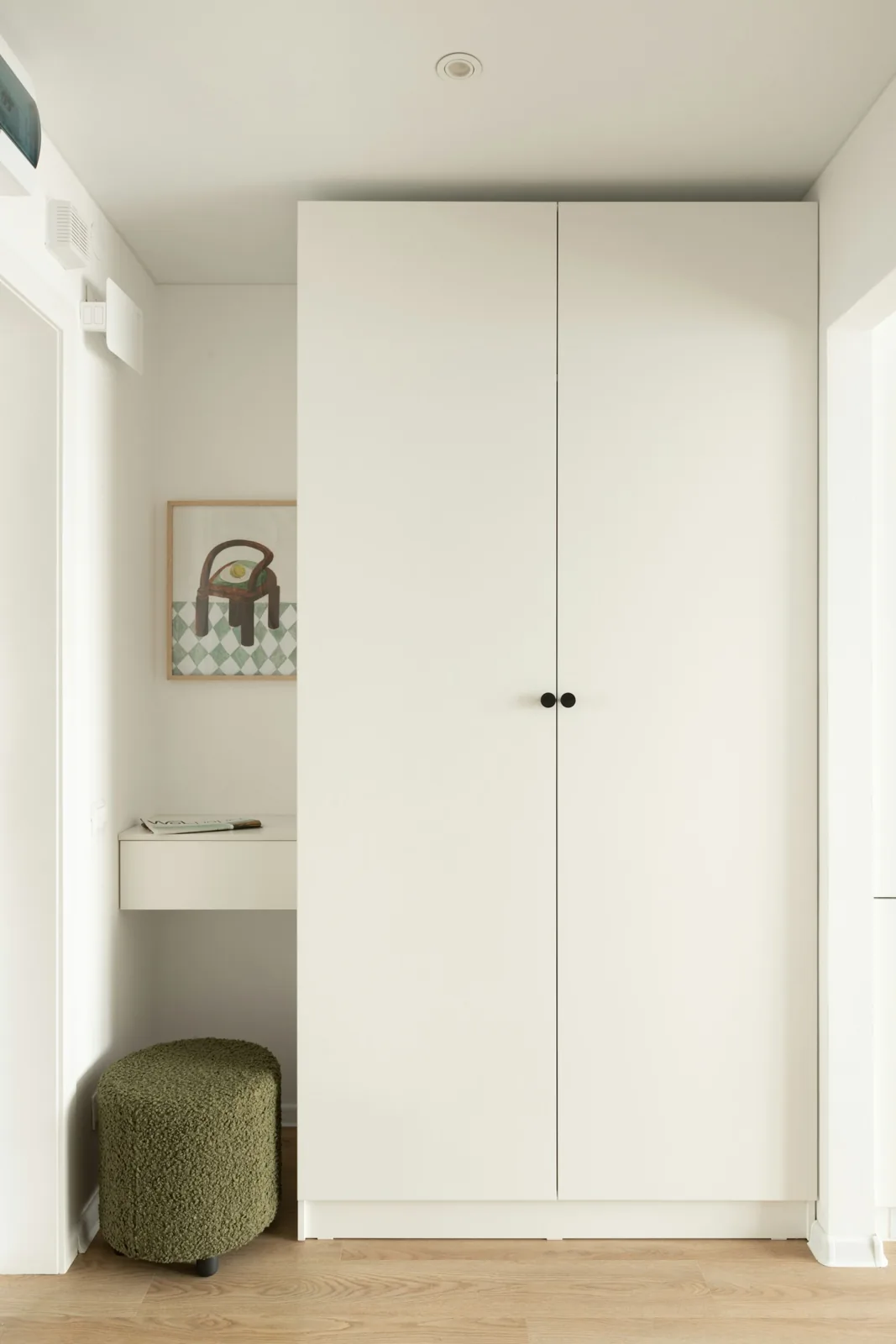
A small hallway has to receive people and let them pass through. When those two jobs compete, even a beautiful arrangement can become inconvenient. Begin by watching an ordinary arrival: a coat comes off, a bag is set down, keys are put somewhere temporarily, and shoes wait near the door. The useful design question is where each action can happen without narrowing the route. You do not need to turn the entrance into a miniature living room. A clear, dependable place for a few everyday things may be enough.
Follow one arrival from beginning to end
Walk through the sequence with what you normally carry. Where does the door open? Where do you pause? Which hand holds the keys, and what needs to be set down first? If another person enters at the same time, notice where you cross paths. These observations reveal problems that may not be visible when the hallway is empty and photographed from one carefully chosen angle.
Include the needs of everyone who uses the space. A place that works for one adult may be difficult for a child, a visitor, or somebody using a mobility aid. Avoid relying on a high shelf or a narrow gap as the only solution. This article is an arrangement exercise, not an accessibility assessment or a substitute for relevant building and fire requirements.
Protect the route before adding storage
Identify what must remain clear: the door's movement, access to other rooms, essential controls, and the normal passage through the home. Keep loose objects out of that route. A basket that looks contained can still be an obstruction if it sits where feet or wheels need to go. Do not cover equipment, vents, or access points because they interrupt an attractive composition.
Try removing a piece of unnecessary furniture before looking for a smaller replacement. A narrow console may still be too much for a particular entrance. Existing storage in an adjacent room can sometimes serve the hallway better than another object placed inside it. The goal is a workable arrival, not proving that every useful function must fit into the first few steps from the door.
Give the most frequent objects a clear home
Choose a small number of items that need to be available daily: perhaps keys, one current bag, and the footwear in regular use. A dish or tray you already own may provide a useful landing place on a stable surface. Check that it does not tip, scratch the surface, or require reaching awkwardly around other objects. Keep less frequent items elsewhere when practical.
The Horniman Museum's observation activity asks how objects express the ways people live. In an entrance, that question is particularly direct. The objects that keep accumulating are clues to a routine. If mail repeatedly lands on the floor, decide where it can be sorted rather than adding a decorative bowl that nobody uses. Let actual behavior inform the arrangement before asking everyone to change it.
Choose a limit for temporary things
Some items are only passing through: a library book to return, a parcel to take out, or a bag prepared for tomorrow. Give them a defined temporary place with a clear next action. Avoid turning that place into permanent storage. A note on a calendar or another existing reminder system may be more effective than leaving every future errand physically displayed by the door.
Review the temporary area when you make the next trip. If something has remained for weeks, it probably needs a different decision. Do not hide it in a container simply to restore the hallway's appearance. A welcome entrance is not one where all evidence of work disappears; it is one where waiting items have an understandable place and do not interfere with movement.
Add character with what can remain useful
A small print, a familiar vessel, or a color already present elsewhere can connect the entrance to the rest of the home. The V&A's history of Aesthetic interiors offers context for the relationship between practical furniture and decorative objects, but a small modern hallway does not need to reproduce a historical display. Choose one detail that fits the available space rather than copying a complete room.
Keep fragile or irreplaceable material away from places where bags and coats brush past. Important paper and photographs need suitable conditions and protection rather than automatic placement in a busy, sunny entrance. If you want a personal image there, consider whether a replaceable copy would be more appropriate. Character does not require putting a valued original in the most vulnerable spot.
Test the arrangement on an ordinary day
Leave the revised space in use and notice what moves. Are keys returned, bags still left in the route, or shoes accumulating beyond their place? Change the arrangement in response. Discuss shared habits without turning the hallway into a household inspection point. The best result may look modest: a clear way through, a stable landing place, and one familiar object that makes arriving feel like returning home.
Sources & further reading
Background sources for the factual guidance in this story. Suggested exercises and arrangements are editorial interpretations.