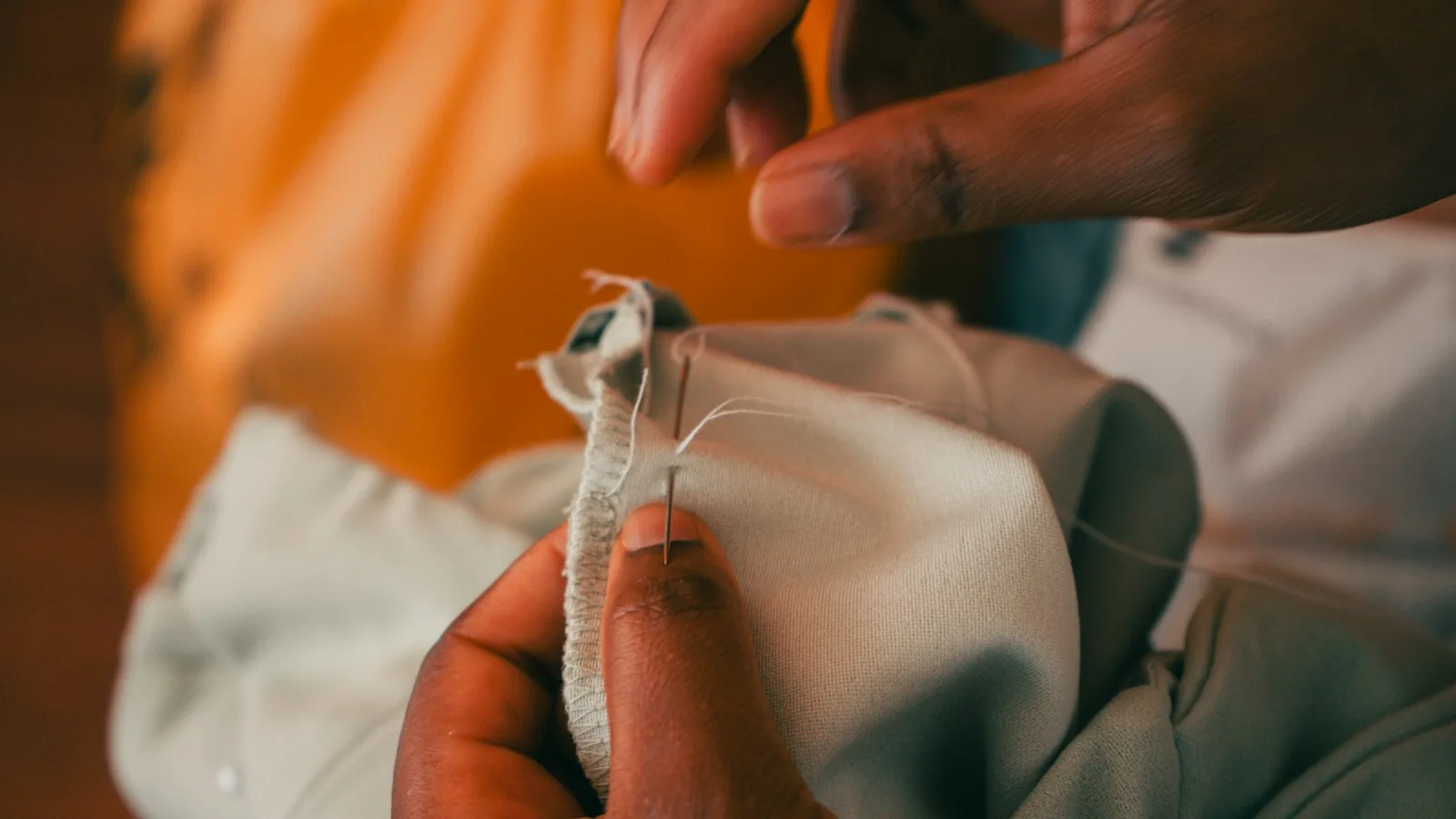
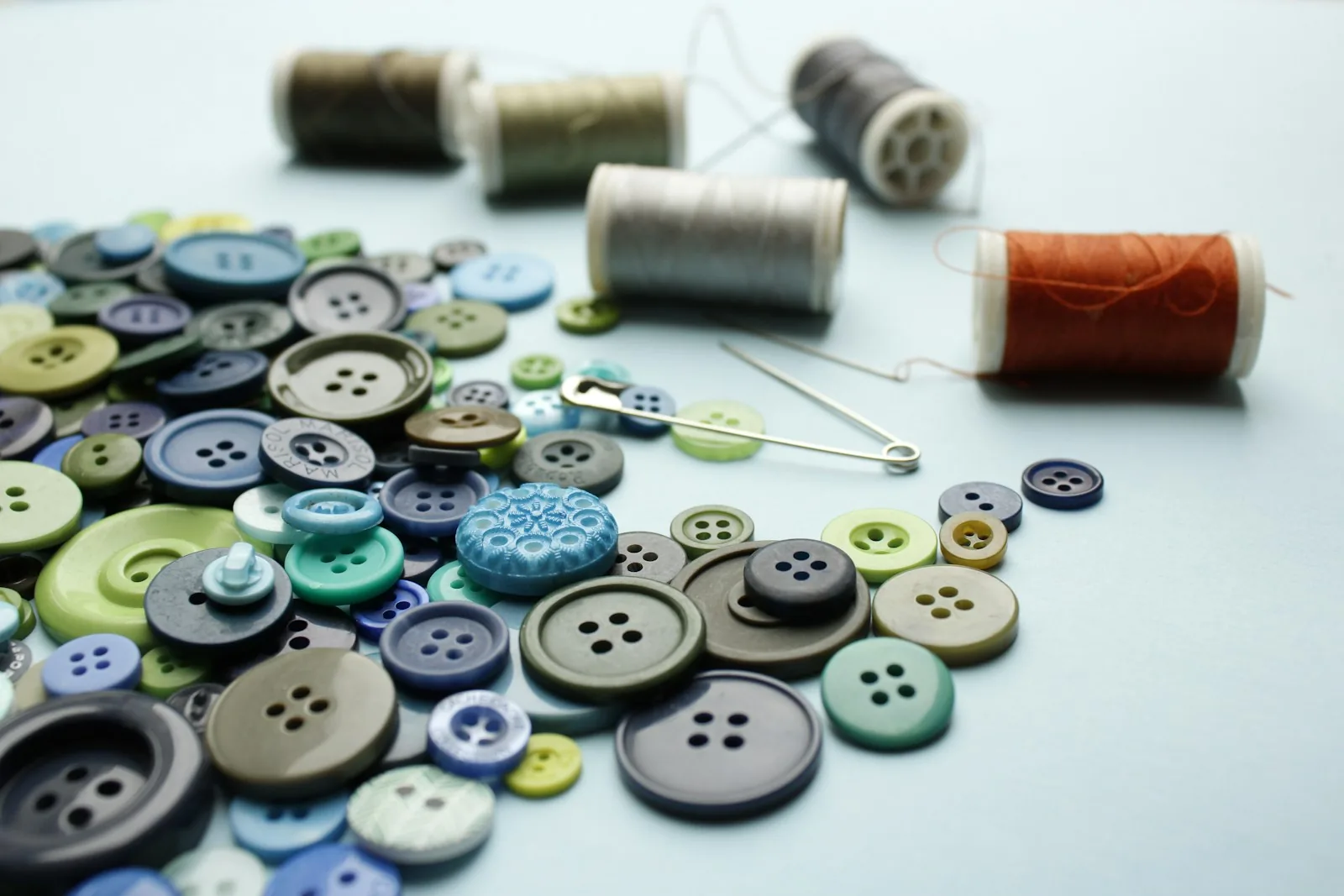
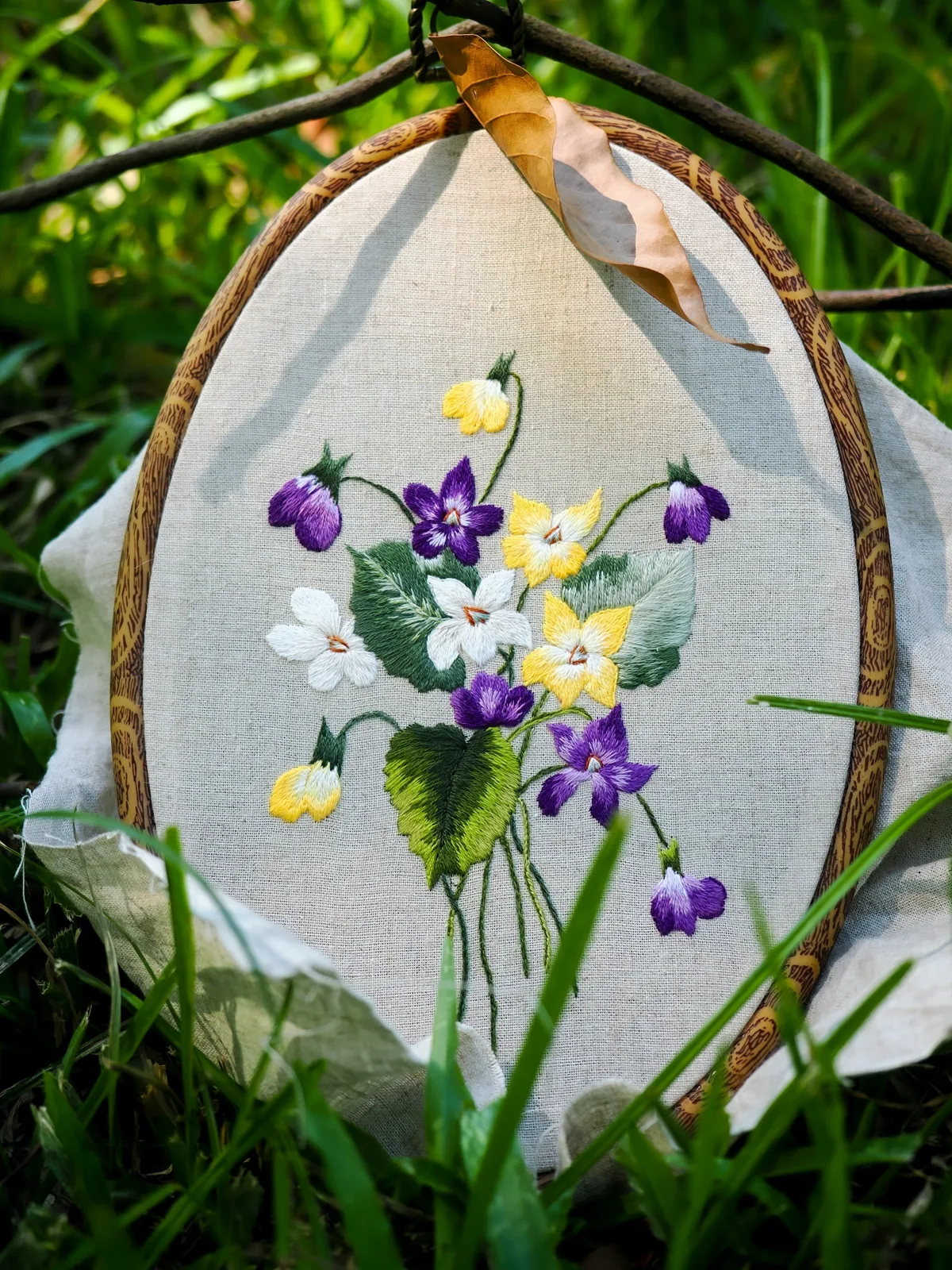
A mending session with friends
A shared table for small repairs, clear expectations, and borrowed knowledge.
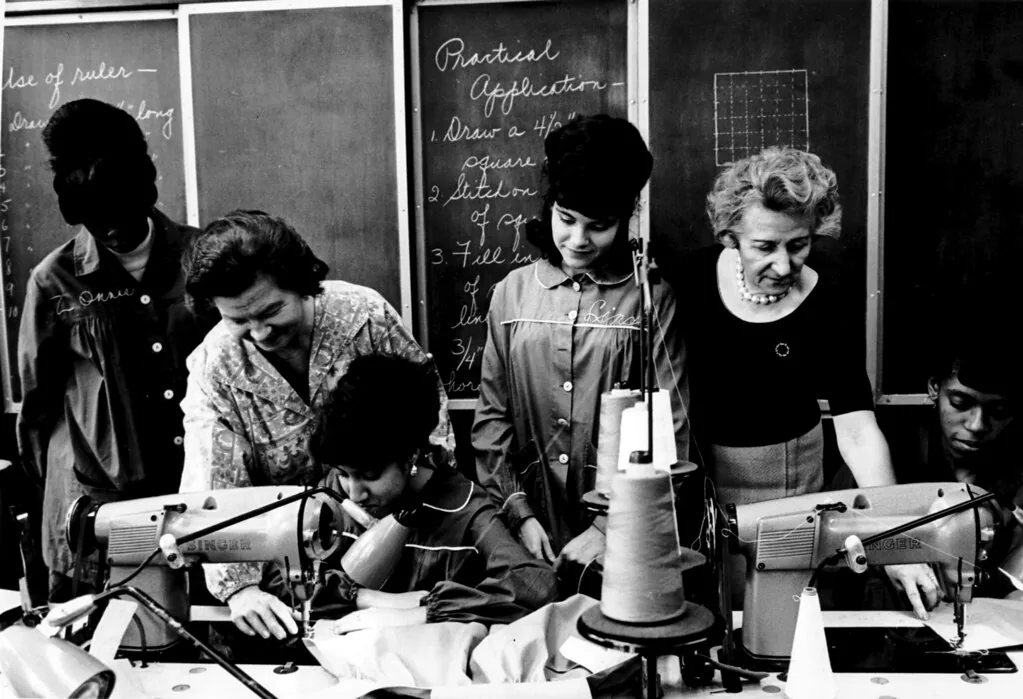
A table with a few small repairs can be a pleasant reason to meet, provided everybody understands what the gathering is offering. It is not automatically a workshop, a repair service, or a promise that each garment will go home finished. Begin with a modest invitation: bring one ordinary item, some basic materials if available, and a willingness to look at the problem together. The host's most useful contribution may be a clear surface and a realistic limit, rather than expertise in every technique.
Agree what the session is for
Say whether the group will practice stitches, assess waiting repairs, or work on familiar small tasks. If nobody has experience with a particular construction, leave it in the information-needed category. A social setting can make it tempting to improvise confidently. Do not let friendliness replace the judgment that a valuable, fragile, or structurally complicated object needs more appropriate help.
The V&A Dundee's community embroidery activities demonstrate one way an institution brings people together around making. A home gathering has different resources and responsibilities. You can take inspiration from shared work without claiming to reproduce a professionally led program. Avoid promising therapeutic or social outcomes on the strength of an attractive idea. Invite people to a practical activity they can choose to join.
Ask about access before arranging the room
Check seating, lighting, the route through the space, and the kind of tasks people can comfortably handle. A person may prefer looking, sorting, or conversation to fine needlework. Make participation broad enough that nobody has to justify a different role. If somebody needs a specific arrangement, discuss it directly rather than assuming that the same chair and light will suit everyone.
Keep the gathering small enough for the available surface. Each person needs room to set down an item without mixing loose needles and thread with somebody else's materials. Use clearly defined tool areas or individual containers. A crowded table can look lively while making it difficult to account for sharp objects. The practical limit should follow the room rather than the size of an invitation list.
Choose suitable projects in advance
An ordinary loose button, a practice patch, or a scrap-cloth sampler can be manageable starting points when the relevant skill is present. Ask people to bring items clean and dry, with care instructions if available. Do not combine uncertain pest or mold problems with the group's textiles. Valuable heirlooms and delicate historical material belong outside a casual experiment.
The V&A's Sewing Box resources separate care, repair, and customization. Use that distinction when discussing a project. A shorter hem, a decorative addition, and a worn structural area are different jobs. Ask the owner what they want before suggesting a visible patch or irreversible alteration. An enthusiastic group's taste should not override the person who will wear or use the object afterward.
Share knowledge with clear boundaries
If someone demonstrates a technique, identify the material and conditions for which it is appropriate. A method that works on an ordinary woven scrap may not suit stretch cloth, a lining, or a delicate knit. Keep a reliable specific guide available where possible. Look up an uncertainty rather than presenting a remembered fragment of a technique as settled instruction.
Let each person decide whether to try the method on their item or practice first. A sample can be a complete result for the session. Do not require a repair to be finished simply because the gathering has a cheerful title. Learning what not to attempt can save an object from damage and give the next step a clearer shape.
Make refreshments easy to keep separate
Use another surface for food and drinks where possible, especially when working near paper instructions or valued textiles. A spill can undo the care invested in a project. Keep sharp tools away from serving areas, and return them to containers before taking a break. Small routines make the table easier to share without turning the meeting into a constant series of warnings.
Agree an ending time that includes clearing up. A repair session should not leave the host with loose pins hidden in upholstery or unfinished garments whose owners have forgotten them. Before people leave, check tool counts, identify what belongs to whom, and record any next action. A labeled bag or simple note can keep a partly finished project understandable later.
Let the outcome be modest
At the end, ask what each person learned about their item: a sound place to stitch, a missing tool, or a reason to seek specialist repair. The Canadian Conservation Institute's textile guidance reminds readers that fragile material needs support and considered handling. Keep that boundary visible alongside the pleasure of shared making. A good session may produce one repaired button, several useful questions, and a table that is safely ready for its next ordinary use.
Sources & further reading
Background sources for the factual guidance in this story. Suggested exercises and arrangements are editorial interpretations.