A gentler way to water houseplants
Replace the automatic weekly pour with a few informed observations.
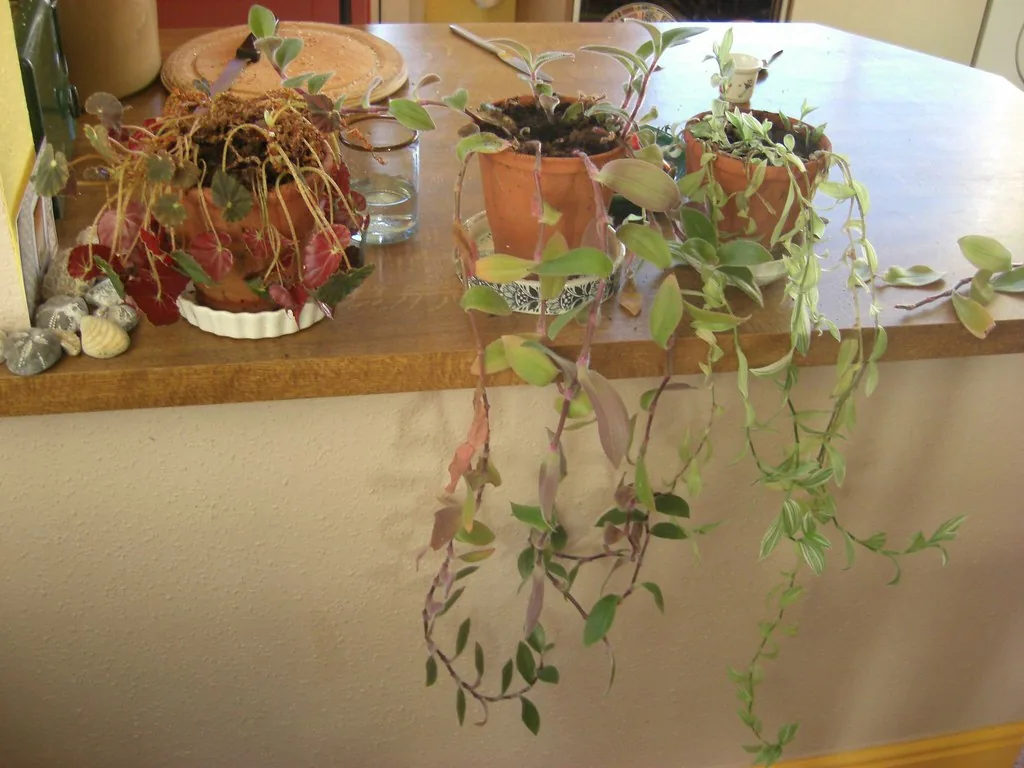
A watering day can be a reminder to look at plants without becoming an instruction to pour water into every pot. Different species, growing media, containers, and room conditions can produce different needs. Begin by learning what each plant requires, then use a check-in to decide whether action is necessary. This approach is less visually tidy than watering a row of pots in one sweep, but it gives attention to the plant rather than the calendar. A missed assumption is often more important than a missed decorative routine.
Know the plant and the container
Keep the plant's identity and relevant growing guidance somewhere you can find them. If identification is uncertain, resolve that before following highly specific care advice. A cactus, fern, and other foliage plant should not be assumed to need the same moisture conditions. The Royal Horticultural Society recommends matching care to the actual plant and conditions, rather than treating all houseplants as one category.
Look at the growing pot inside any decorative cover. Does it have drainage openings, and where can excess water collect? A handsome outer vessel can conceal standing water. Check that you can remove or inspect the pot safely without spilling onto books, furniture, or electrical equipment. The maintenance route is part of the container's usefulness, even if it is not visible in a styled room photograph.
Make observation the routine
At a check-in, look at the plant and the growing medium before watering. Follow species-appropriate advice about assessing moisture; a single depth rule does not suit every plant or medium. The weight of a familiar pot and changes in the surface may provide information, but neither should be treated as a universal diagnostic tool. Learn the combination that applies to your particular specimen.
The RHS advice on poorly houseplants recommends checking moisture and responding to need rather than automatically watering at fixed intervals. It also explains that symptoms can have more than one cause. A wilted plant is not always asking for more water. Check the medium and relevant guidance before adding water to an already wet pot. If the situation is unclear, gather information rather than repeating the same action more intensely.
Water in a place you can manage
Use the method appropriate to the plant and growing setup, following reliable species-specific guidance. For many ordinary potted plants, careful watering and allowing excess to drain are important parts of the process, but exceptions and specialist methods exist. Do not turn a general magazine article into a prescription for every orchid, cactus, or self-watering system. Check the instructions relevant to what you actually own.
Protect the household surface and empty collected excess where required. A decorative saucer should not become an unnoticed reservoir unless the system is explicitly designed and used that way. Return the plant only when it can be handled without dripping or leaving water against unsuitable material. A short maintenance session is easier when the space has been prepared for the practical action rather than only the final display.
Notice when conditions change
Light, temperature, and active growth can alter water use. The RHS guide notes that plants in cooler conditions may need watering less often than those in warmer rooms, with the actual need varying by plant. A routine that worked during one period should be reconsidered when heating, daylight, or placement changes. The calendar can remind you to check, but it cannot describe the moisture inside every pot.
Make one change at a time where practical. If you move a plant, change the medium, and alter watering simultaneously, it becomes harder to understand the response. Keep a short note of significant changes and observed conditions. This is not a guarantee of diagnosis, but it can make a question to a reliable horticultural source more specific than “my plant looks unhappy.”
Keep symptoms in context
Yellowing, browning, leaf drop, and weak growth can arise for different reasons. Do not apply a fertilizer, pesticide, or repeated watering as a general rescue gesture. Consult appropriate guidance for the plant and the actual signs. If pests or disease are suspected, take sensible steps to prevent spread and seek relevant advice rather than experimenting across the whole collection.
Avoid adding household substances because a general internet tip calls them natural. Suitability depends on the substance, plant, medium, concentration, and use. A decorative lifestyle preference is not evidence of horticultural benefit. The gentler choice may be to leave the plant alone while checking a reliable source, especially when several previous interventions have made its condition harder to interpret.
Let the collection fit the care available
If the number of plants makes careful observation difficult, reconsider the arrangement or scale rather than simplifying all care into one automatic pour. A few plants suited to the home can be more manageable than a collection chosen to fill every surface. The useful ritual is a habit of looking: what this plant needs, what has changed, and whether today calls for water or simply another observation. That is a quieter form of care than doing something merely because the watering can is already in your hand.
Sources & further reading
Background sources for the factual guidance in this story. Suggested exercises and arrangements are editorial interpretations.