Welcoming autumn with what you own
Let changing light and useful textiles lead a quiet seasonal rearrangement.
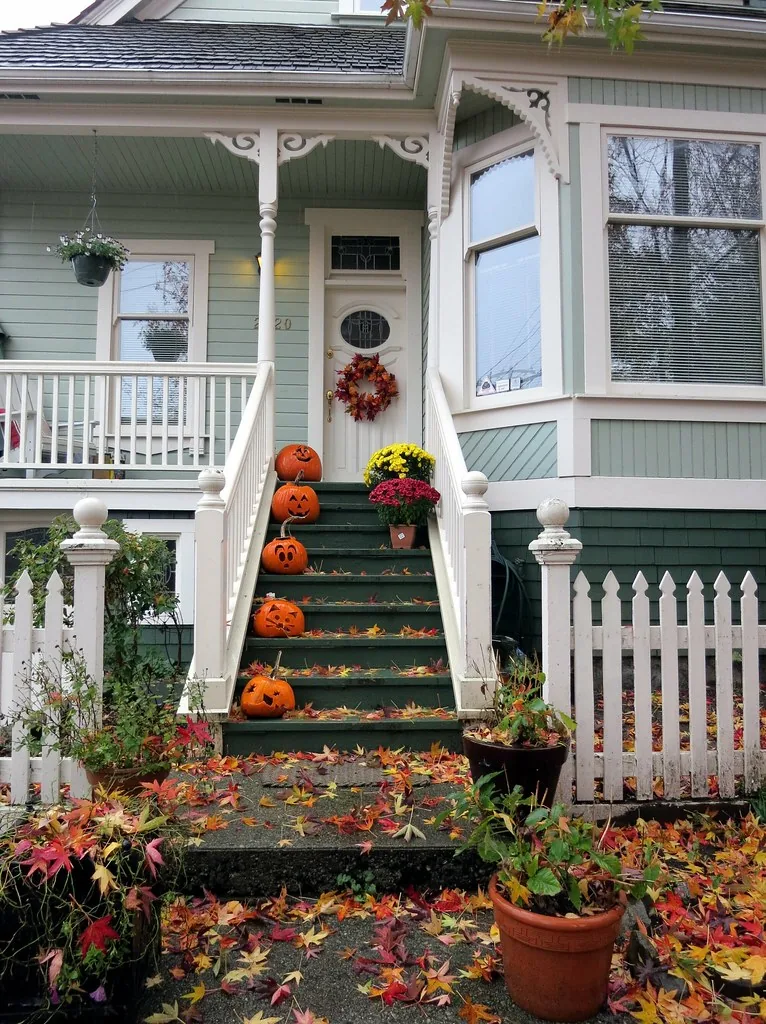
Autumn can arrive as a change in the room before it becomes a display on a shelf. The light reaches a different wall, an extra layer becomes useful, and the view outside begins to alter. Start there rather than with a seasonal shopping list. Look at what your home needs now and what is already available to meet it. The season may not look like a familiar picture of orange leaves where you live. A thoughtful arrangement follows local conditions and ordinary use, not somebody else's calendar or climate.
Notice the change before decorating it
Spend a few days recording one practical difference. Perhaps you close a window earlier, move a chair toward available light, or reach for a warmer cloth. Keep the observation specific and avoid assuming that every change has the same cause. A darker afternoon may reflect the weather as well as the season. Your notes are a record of the home at that time, not a regional climate analysis.
The Horniman Museum's home observation activity suggests looking at familiar objects and spaces from a new angle. Apply that idea to the transition between seasons. Sit where you usually spend an evening and ask what has become less convenient. A small functional adjustment may give the room more seasonal relevance than a collection of decorative objects that will need storing again in a few weeks.
Bring one useful textile back into use
Look through the household textiles you already own. A sound throw, a suitable tablecloth, or a cushion cover may provide the change you wanted without adding another object. Inspect condition and follow the item's care instructions before using it. If something has been stored, check that it is clean, dry, and free of a problem that could affect other material.
Canadian Conservation Institute guidance distinguishes the care needs of textiles and emphasizes appropriate support and storage. Do not treat a fragile heirloom as an ordinary seasonal prop. A modern, washable piece may be more suitable for a busy chair. Choose according to the job, and keep valuable material out of direct intense light or positions where repeated handling is likely to damage it.
Rearrange rather than accumulate
Try one change at a time: move an existing lamp to a useful position, bring a book within reach, or return a small vessel from another room. Check that the move does not create a problem elsewhere or obstruct the route through the space. The aim is to make a familiar room fit current use, rather than assemble a complete seasonal identity.
If color matters to you, look for a relationship among existing objects. A brown paper cover, a muted green cloth, and the wood of a table can suggest a quiet autumn palette without literal leaves or pumpkins. These associations are personal choices, not universal psychological effects. Keep a combination because you enjoy living with it, not because a trend says it represents the season correctly.
Keep nature outside when that is the better choice
A view of a changing tree can be the room's seasonal detail. You do not need to collect branches, leaves, or unknown plants to bring the outside in. Local rules, conservation needs, and the material itself may make collecting inappropriate. A drawing, a written observation, or a photograph taken from a permitted position can preserve the encounter without removing anything.
Avoid identifying or handling unfamiliar material solely for decoration. An appealing shape does not establish that a plant or object is suitable to bring indoors, especially around children or animals. This article does not provide a safety assessment for collected specimens. The simplest and most informed choice can be leaving the subject in place and observing it again on another day.
Make room for how evenings are spent
Choose a small reading selection, a project you can begin, or a comfortable place for conversation. The arrangement should reflect your household rather than an ideal of solitary quiet. A shared table may need to change functions during the evening. Keep supplies easy to put away, and avoid a seasonal display that claims the surface people need for ordinary work.
Use suitable existing lighting and check the actual view from the chair. There is no need for open flames, scented products, or an elaborate lighting effect to establish atmosphere. If a room is too dim for the intended activity, address that practical issue rather than accepting discomfort because the result looks warm in a photograph. Beauty and usefulness can be considered together.
Leave a simple route back
When you put away the previous season's textiles, record where they went and store them appropriately rather than compressing them into an overflowing space. Keep the transition modest enough to reverse when conditions change. A home does not need to be redecorated every season to register the year. One useful cloth, a different reading place, and a more attentive view through the window can be enough to make autumn feel present in the life already taking place there.
Sources & further reading
Background sources for the factual guidance in this story. Suggested exercises and arrangements are editorial interpretations.