A spring reset for houseplants
Observe new growth before changing light, watering, and care.
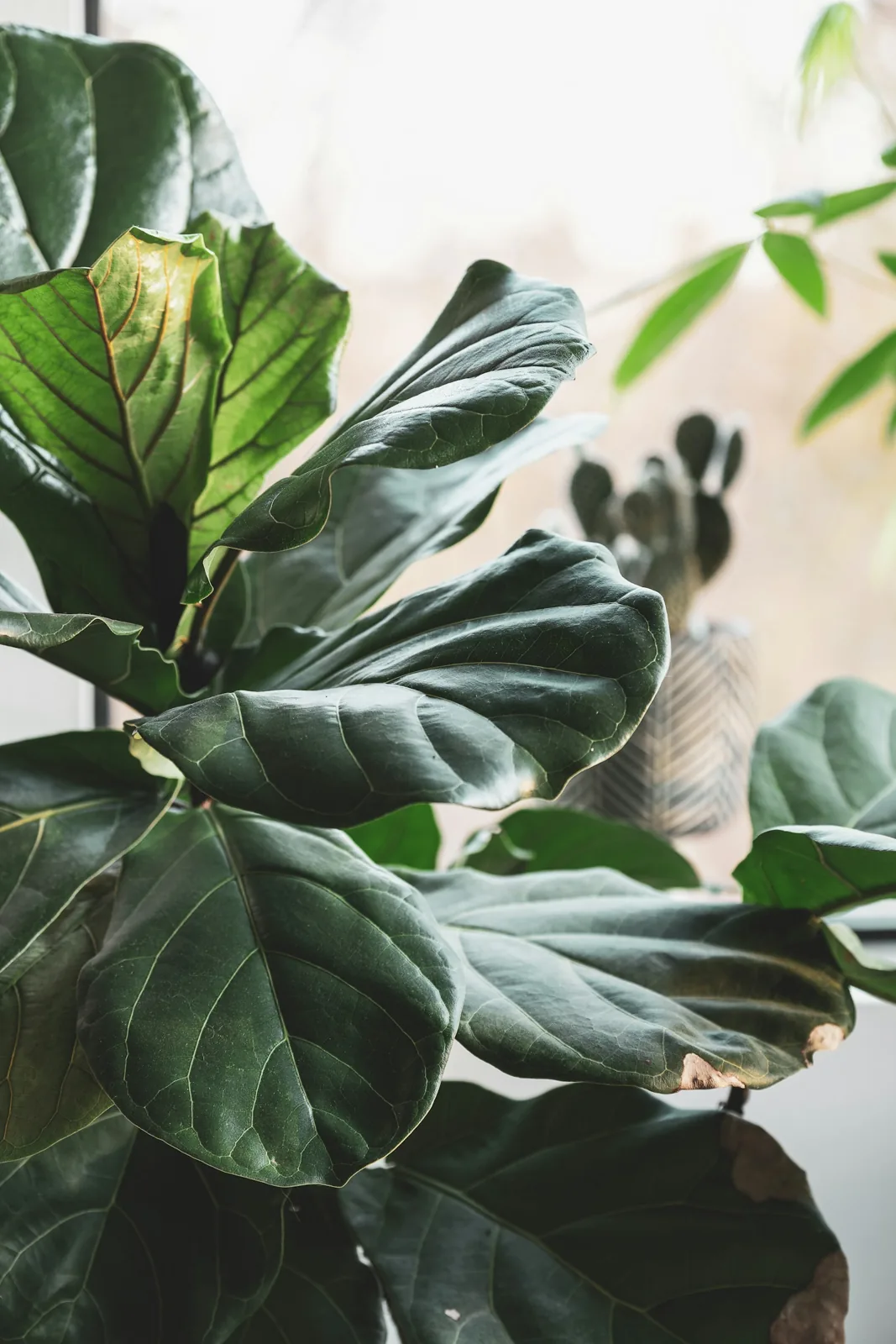
Spring is a useful prompt to inspect houseplants, but it is not an instruction to repot, feed, prune, and water every specimen at once. Growth and conditions vary with species, location, and the way a home is used. Begin with what the plant is actually doing. Look at new leaves, the growing medium, available light, and changes in the room. A careful reset may involve a small adjustment or a decision to leave a plant alone while you gather more specific information.
Let local conditions lead the date
The calendar's season does not describe every indoor growing environment. Daylight, heating, weather, and geography affect what a plant experiences, while different species have different growth patterns. The Royal Horticultural Society's guide describes care in relation to growing conditions and the plant's needs. Use its general principles alongside species-specific guidance rather than applying a month from another region as a universal schedule.
Write the date of visible changes instead of assuming they began on a particular seasonal boundary. A new leaf noticed today may have started earlier. If you keep notes, separate what you observed from what you expect. This habit also makes it easier to recognize whether a later change followed a care adjustment or simply continued a process already underway.
Inspect before intervening
Look at the whole plant and the visible growing surface. Are leaves sound, is growth weak or distorted, and is there evidence of a problem requiring closer investigation? The RHS's poorly-houseplant guidance emphasizes that similar symptoms can have several causes. Do not assume a yellow leaf means a fertilizer shortage or that wilting always calls for water. Start with the conditions and relevant information.
Check access to the pot and any outer container. Make sure you can see where water collects and handle the plant without awkward reaching. A seasonal rearrangement can conceal a practical problem if it places the specimen in a more attractive but less manageable position. Inspecting the container is part of care, not merely preparation for choosing a new decorative cover.
Reconsider the light where the plant now lives
Observe the position at the hours when sunlight reaches it. A place that worked during weaker daylight may expose a susceptible plant to stronger direct sun later. The RHS notes that light requirements vary and that strong summer sunlight through glass can scorch some plants. Do not translate that into a rule to move every plant away from windows; compare the species' needs with the actual conditions.
If a move is appropriate, consider the full environment, including temperature and access for care. Avoid shifting a plant solely to complete a room arrangement. Record a significant change so you can interpret what happens afterward. A photograph taken in good light can help document condition, but automatic camera settings do not provide a measured account of the light available to the plant.
Adjust watering through observation
Active growth and changing conditions may alter water use, but the amount and frequency still depend on the particular plant and medium. Use a routine check rather than an automatic extra pour. Consult species-appropriate advice about moisture and drainage, and avoid leaving unintended standing water in decorative containers. A change of season does not make every pot dry at the same rate.
Keep notes where they help distinguish a pattern. “Medium still moist at today's check” can be useful information without becoming a rigid schedule. If a plant is struggling, avoid several simultaneous interventions that make the response difficult to understand. A more specific diagnosis or horticultural question is preferable to repeatedly increasing water because the season is supposed to bring growth.
Repot or feed only for a reason
The RHS identifies spring as a suitable period for potting on many houseplants, but suitability is not the same as necessity. Check whether the particular specimen needs that work and what medium and container its species requires. Do not assume every plant should receive a much larger pot or a standard mix. A decorative preference for a new vessel is a separate decision from a root-space need.
For feeding, follow relevant plant guidance and the actual product instructions. Avoid inventing a universal dose or adding household substances because they sound gentle. If the plant's condition is uncertain, understand the problem before treating it as a routine seasonal task. This article cannot assess an individual specimen's roots, disease status, or nutritional requirements through a general description.
Keep a record of the change that mattered
Note the plant's identity, the observed condition, any action taken, and the date. Leave untested expectations labeled as expectations. On the next visit, compare the actual response rather than assuming the reset was successful because the pot looks tidier. A thoughtful spring check is a way to align care with evidence. It can leave the plant in the same container and position, with a clearer understanding of why those conditions still suit it.
Sources & further reading
Background sources for the factual guidance in this story. Suggested exercises and arrangements are editorial interpretations.