A summer evening outdoors
Prepare a modest outdoor pause with comfort, access, and a light footprint.
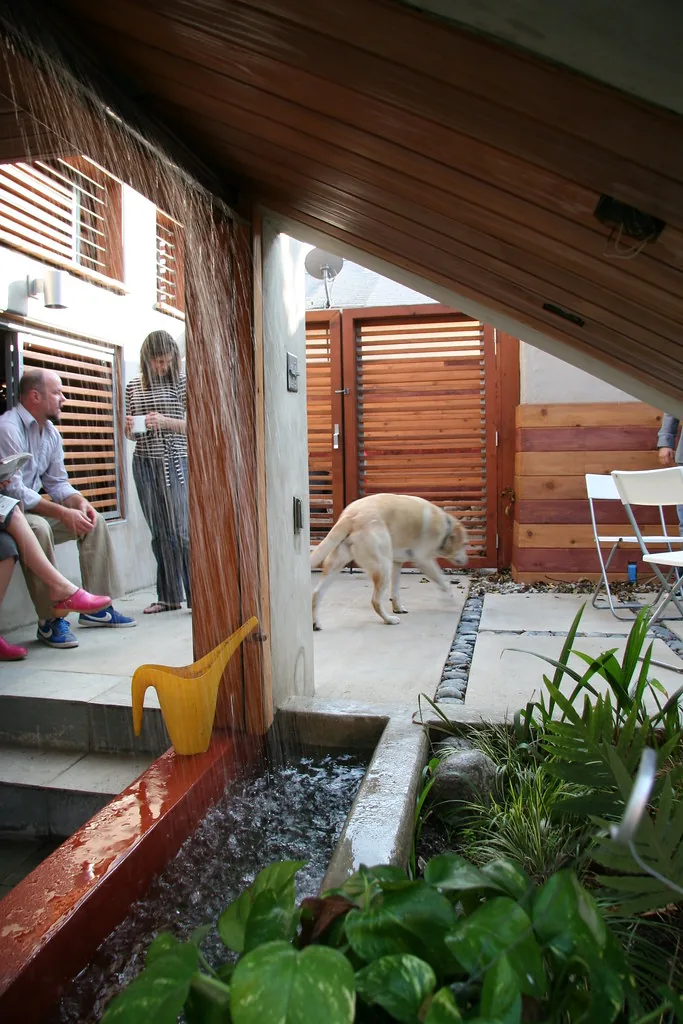
An evening outdoors does not need to become an event with a destination, a packed meal, and equipment spread across a lawn. It can be a short interval on a permitted terrace, a public bench, or another accessible place close to home. Begin by deciding what the time is for: conversation, reading, looking at the sky, or simply sitting somewhere different. Then prepare only what that choice requires. The setting can remain ordinary, and the plan can change when conditions do not suit it.
Choose access before atmosphere
Check whether the place is open and appropriate for the time you intend to be there. A familiar park may have closing hours, an accessible route may be affected by conditions, and a shared outdoor space may have rules. Do not rely on a photograph or an old visit as current access information. If the route or seating does not meet your needs, choose another place or an indoor version of the pause.
The National Park Service's Leave No Trace guidance begins with planning and preparation. For a small local outing, that can mean checking current weather, relevant warnings, and the practical route home. This article does not assess a particular location or provide heat, storm, or other specialist safety advice. Use current appropriate guidance for decisions that depend on conditions.
Bring a small, defined set of things
Choose a book, a notebook, or a simple shared activity if it serves the purpose you decided on. Keep belongings contained enough that you can leave without searching through the space. Consider the seating and what you can comfortably carry. A lightweight plan is not a rule to omit necessary personal or accessibility items. Those needs belong in the preparation even when they do not fit a minimal-looking photograph.
If you bring food or drink, follow appropriate handling and local rules, and plan to take all waste away. Avoid leaving crumbs or scraps as a gift to wildlife. A small amount still changes the environment and can encourage unwanted animal behavior. The outing should not depend on a level of cleanup you are unlikely to complete when it is time to go.
Let the place keep its own sound
NPS natural sound resources encourage awareness of soundscapes and consideration for other users. Listen before adding music or a speaker. Nearby people may be seeking quiet, and wildlife does not need a soundtrack. Conversation can remain considerate without becoming a forced silence. Choose a level and activity appropriate to the setting, rather than assuming that a small group has no effect on the space.
You can make a brief sound note: a continuous background, a few short calls, or the movement of leaves. Keep uncertain sources uncertain. This is not a loudness measurement or a promise that nature will sound peaceful. A city evening can contain engines, voices, and birds together. The exercise is to notice what is present rather than judge the place for failing to resemble a remote landscape.
Give attention a manageable object
If sitting without a task feels vague, choose one detail to observe. Follow the changing edge of a shadow, read a short section, or sketch a plant from the available distance. The National Park Service's journaling materials offer a model of close observation without requiring a polished drawing. A few accurate notes can give the interval shape without turning it into an assignment.
Keep other people and private spaces outside the focus. A pleasant view across a garden or street may include homes whose occupants have not agreed to be photographed. Frame your own record considerately and avoid sharing precise information about somebody else's routine. A small outdoor pause does not create permission to document everyone nearby.
Make the plan easy to end
Choose a natural stopping point and keep the return practical. A chapter, a brief conversation, or a noted interval can be enough. Do not stay because the evening has not become memorable yet. If discomfort, changing conditions, or access concerns arise, leave and use another opportunity. A modest plan should be able to accommodate a real evening rather than demand a particular outcome.
Before leaving, check the area for all belongings and waste. Do not move natural objects, furniture, or vegetation to improve the arrangement. Return shared items only as permitted, and leave the route clear. Responsible use is not an extra stage separate from the experience; it is part of making the interval possible for other people after you.
Keep one detail rather than a performance
At home, record what you actually noticed if you want a memory of the time. It may be the color of the sky above a roof or a sentence from the book. Skip the need to prove that the evening was restorative enough. The value of a small outdoor interval can be its scale: easy to prepare, considerate to share, and simple to repeat when the place, weather, and your own circumstances allow it.
Sources & further reading
Background sources for the factual guidance in this story. Suggested exercises and arrangements are editorial interpretations.