Making a seasonal color notebook
Translate a changing landscape into small swatches and careful descriptions.
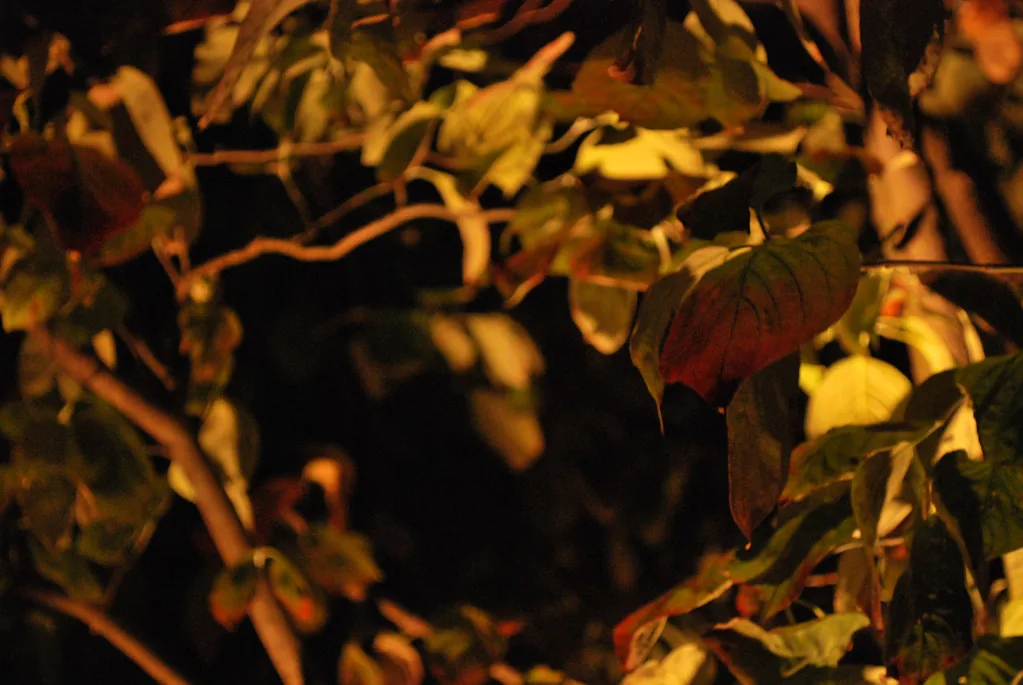
A seasonal color notebook records relationships that can disappear before you think to name them. The green of a leaf beside a gray wall, the brown of wet bark, or the pale sky above a roof can be more interesting than a collection of isolated attractive shades. Begin with one view or object at a particular time. You are making an observational record and a personal visual vocabulary, not an exact color measurement or a universal palette for what the season should look like.
Choose a scene small enough to describe
Limit the first entry to a few related surfaces. A tree against a building, a window view, or objects already on a table can work. Write the date, approximate time, and lighting conditions. If you are outside, observe from an appropriate permitted place without removing material. A small drawing or written note can keep the encounter intact while leaving the subject where it belongs.
The National Park Service's journaling resources emphasize detailed observation rather than a polished picture. That is a useful approach to color too. A page with tentative descriptions can be more informative than perfectly filled swatches made later from memory. You do not need a special paint set before starting. Colored pencils or ordinary words can help you notice a relationship you had previously passed over.
Name the colors in relation to one another
Instead of writing only green, ask how the green looks beside the neighboring surface. Is it yellowish, blueish, dull, or bright in that light? These descriptions are approximate, but they preserve a comparison. A color that seems pale alone may look deep beside a lighter object. The notebook's useful subject is often the relationship, not the isolated shade.
Keep unfamiliar terms out unless they help you be more precise. A personal phrase such as wet olive leaf can be useful if the page explains the context. It should not be treated as a standard color specification for purchasing paint or fabric. When an exact match matters later, use appropriate real samples and conditions rather than relying on a descriptive name from a notebook.
Make a few swatches without chasing perfection
Choose three or four small areas on the page and approximate the main colors with the materials you have. Leave space for a note about the mismatch. A pencil or paint has its own surface and behavior, so the result will not reproduce every quality of a leaf, glass, or sky. Recognizing that limit is part of the study, not a reason to keep correcting until the subject has changed.
If using wet media, keep it separate from valuable paper, books, and objects. Let the page dry according to the material's needs before closing it. The Library of Congress's paper care guidance recommends a clean working area and avoiding food or drink near paper collections. A casual color session can borrow those simple habits without pretending the notebook is a conservation project.
Record what changes with the light
Return to the same subject under different conditions and make a separate entry. Do not overwrite the first version because the color now appears different. Note cloud, shade, or the hour you observed. A comparison can show why a particular object looked unexpectedly warm or cool in another setting, even if you cannot quantify the lighting change.
Photographs can accompany the notes, but camera exposure and white balance affect apparent color. Screens introduce another difference. Do not treat a phone image as proof of an exact shade, especially when comparing photographs from different days. Your written context can explain why two images that look similar may represent different observations, or why the same scene appears dramatically changed.
Follow the local season rather than a borrowed palette
The USA National Phenology Network describes seasonal events as processes connected to living organisms and environmental cues. Your color record can sit alongside that interest without becoming a biological dataset. Note which plant or scene you observed and when, while avoiding a conclusion that every location should show the same sequence. A season may be expressed through rain, dryness, flowering, or light rather than a familiar temperate leaf-color story.
Do not infer a cause from color alone. A changing leaf can raise questions about species, weather, condition, or the time of year, but a notebook cannot settle those possibilities through an attractive swatch. Keep the question visible and consult an appropriate source if you want to investigate. The color study is an entry point into attention, not a shortcut to diagnosis.
Revisit the relationships you want to keep
At the end of the period, choose a few pages and write what made each combination memorable. Perhaps a small warm detail changed a cool scene, or two quiet colors became distinct only when placed together. Keep the observations available for drawing, arranging a room, or simply recognizing the view next year. The notebook has done useful work when it gives a changing ordinary place a more precise and personal language.
Sources & further reading
Background sources for the factual guidance in this story. Suggested exercises and arrangements are editorial interpretations.