Making a commonplace book
A personal collection of other people's words, with room for your own response.
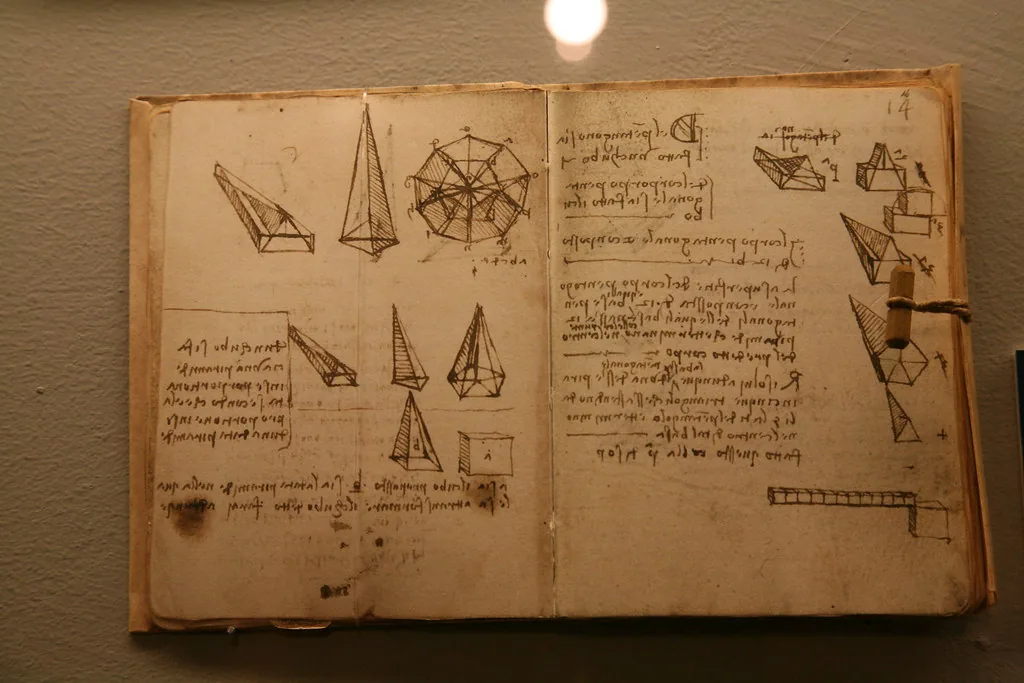
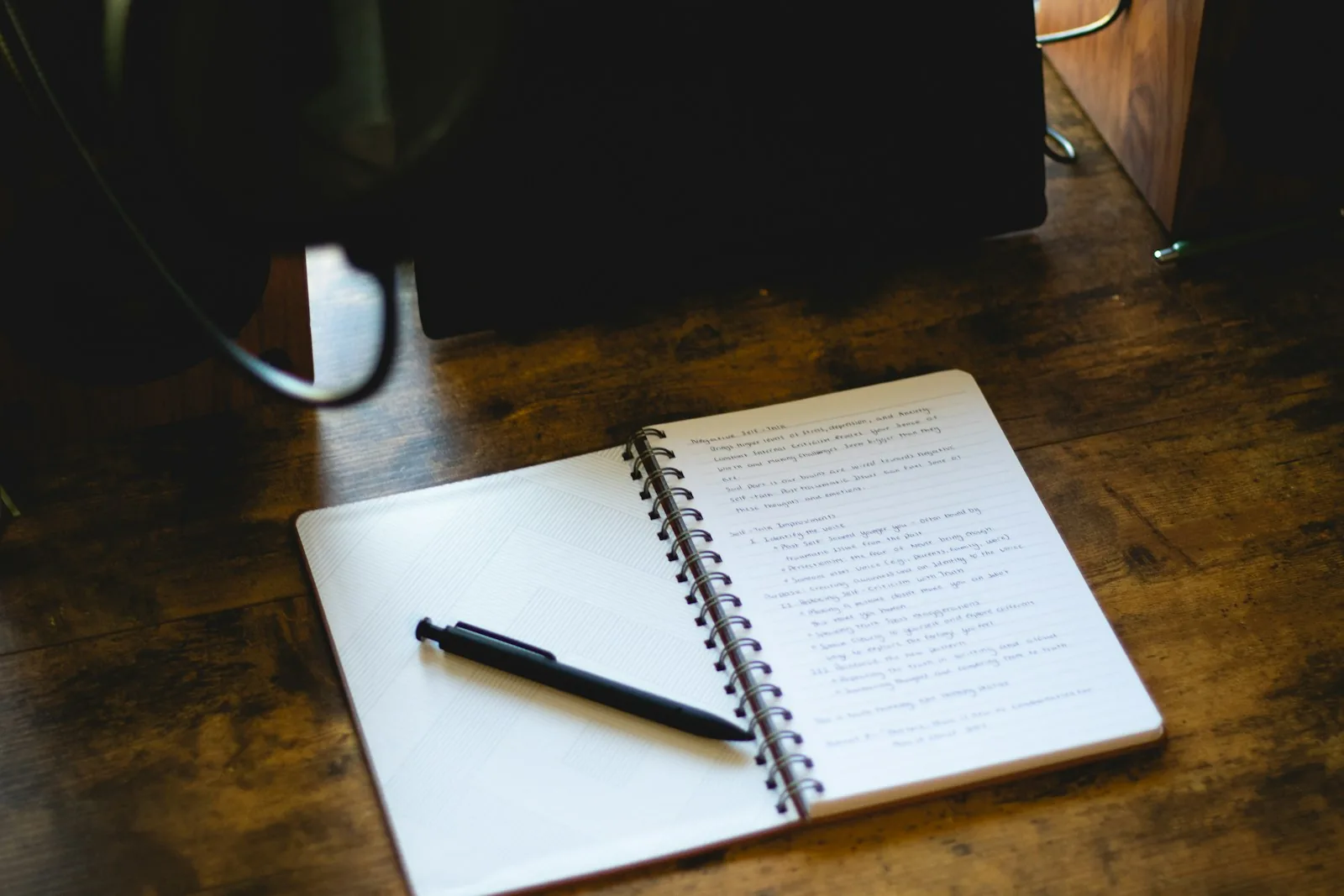
A commonplace book is a place to gather selected passages and ideas so that they can be found and considered again. For a personal working version, the distinction from a diary is useful: a diary primarily records your experience, while this book begins with material encountered elsewhere. The most valuable page is not necessarily the one containing the most quotations. It is the one that remembers where the words came from and why you wanted to keep them. Start with a notebook that is comfortable to use, not one that intimidates you.
Decide what deserves a place
Choose material that raises a question, explains something clearly, or gives language to a detail you have noticed. A sentence can be beautiful without belonging in your book. Ask whether you expect to return to it for a reason beyond collecting attractive words. This selection is personal, but it benefits from being deliberate. A smaller collection can be easier to revisit than a complete transcript of everything that appealed to you.
You may include a brief passage from a novel, a definition, a reference to an image, or the outline of an argument in your own words. Identify which kind of entry you are making. An exact quotation needs quotation marks and accurate copying. A paraphrase should be labeled as your summary. Do not let an approximate recollection become an apparently exact statement by somebody else.
Record the route back to the source
For a book, write the author, title, edition when relevant, and page or chapter reference. Page numbers vary between editions, so a chapter heading or a few identifying words can be useful too. For an online source, record the title, organization or author, URL, and the date you consulted it. An attractive passage detached from its context becomes harder to evaluate and easier to misattribute.
The Library of Congress's book preservation guide distinguishes keeping information from caring for the physical object. That distinction helps here: your notebook is a route back to ideas, not a replacement for the original work. You do not need to copy long sections to preserve their usefulness. A short extract with a reliable reference can leave more space for your own questions.
Add a response before collecting another passage
Below the extract, leave a visible break and write what made it interesting. Did you agree with it, find it confusing, or recognize a connection to another subject? A response can be a question rather than a verdict. The important thing is to separate your words from the borrowed ones. Different ink is optional; a simple label or indentation is enough.
Consider context before treating a sentence as advice. A fictional character's statement is not automatically the author's belief. A historical argument may rely on assumptions that need examining. A phrase about craft may mean something different inside the complete essay. Return to the surrounding pages when the extract seems too convenient. The notebook should help you think, rather than turn every selected line into an unquestioned rule.
Choose an index you will maintain
Number pages as you use them and reserve a few pages for an index. Begin with broad terms you naturally remember: home, reading, repair, time, or color. Add an index entry after making a note, instead of designing an elaborate classification system for material you have not yet collected. If a page belongs under two terms, list it twice. The index serves retrieval rather than neatness.
Another option is a simple contents list in chronological order. This can work well when you remember what you were reading at a particular time. There is no requirement to reproduce a historical indexing method. A personal working book can borrow the general idea of collecting and returning without claiming to preserve every tradition associated with commonplace books.
Keep the book physically manageable
The Library of Congress's paper guidance recommends avoiding damaging fasteners and inappropriate adhesives on material you intend to preserve. Do not fill a bound notebook with so many heavy additions that it cannot close naturally. For an image or clipping, a reference or small copy may serve better than the original object. Keep irreplaceable photographs and correspondence in suitable separate housing.
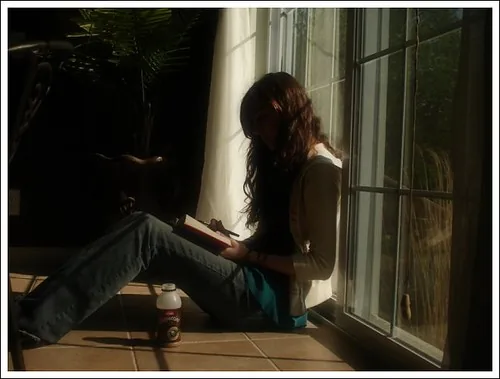
Use a clean surface and move drinks away before spreading books and notes together. If you are working from a borrowed or fragile volume, do not force it flat or leave pressure on the binding. The notebook can be informal, but the source deserves care. A loose page reference is preferable to a clipped bookmark that marks the paper or a sticky note left in place for months.
Revisit before expanding
After several entries, open the book without adding anything. Follow one reference back to its source and see whether your response has changed. You may find a connection worth indexing or an extract that no longer interests you. Both outcomes are useful. A commonplace book earns its place through return, comparison, and reconsideration. Its purpose is not to prove how much you have read, but to keep a few encountered ideas available for another thoughtful meeting.
Sources & further reading
Background sources for the factual guidance in this story. Suggested exercises and arrangements are editorial interpretations.