A notebook for ordinary days
A small written record without the pressure of a perfect journal.
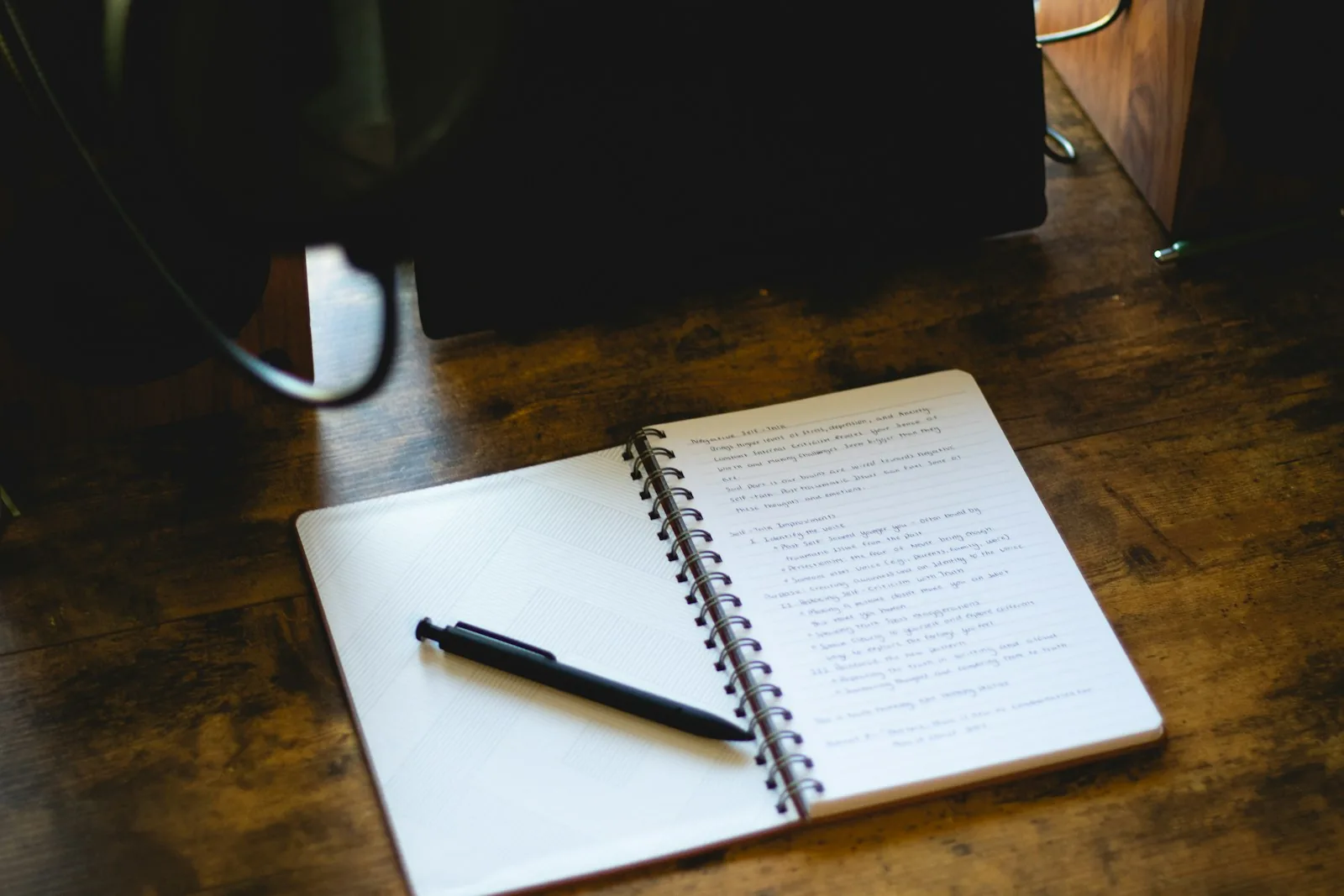
There is a particular kind of blank notebook that becomes harder to use the longer it stays blank. The paper feels too good for a shopping list; a first page seems to ask for a declaration. An ordinary-days notebook begins by lowering those expectations. It is a place for details that would otherwise disappear between errands and conversations. You do not need an important event, a beautiful sentence, or a daily streak. You need a surface you are willing to mark and a reason to open it again.
Give the notebook one modest job
Choose whether this book is primarily a record, a place to think, or a place to notice. These can overlap, but a starting purpose makes the first entry less demanding. For a record, write what happened and when. For thinking, begin with a question you have not resolved. For noticing, describe something concrete: the color of an old door, the smell of clean cotton, the way a conversation ended.
The Horniman Museum's home observation resource treats familiar objects as possible starting points for curiosity. You can borrow that approach without turning your notebook into a museum catalogue. Put an object in front of you and write three accurate details. Keep what you know separate from what you imagine about its past. A label from a cup is evidence; a story about its previous owner may be speculation.
Make the first page useful
Write the date and a location broad enough to make sense to you. Then add a sentence about why you have opened the book. It can be as plain as wanting to remember this season of everyday life. Leave the rest of the page unfinished if that is what happens. Starting halfway through a notebook you already own is also perfectly reasonable. A record does not become more honest because the stationery is new.
If choosing a format delays you, try three lines: one thing that happened, one thing you noticed, and one question. Use this only as a temporary support. Some days deserve a sketch, a paragraph, or a list instead. A structure should make writing easier, rather than require you to squeeze every day into the same shape. Do not copy a page layout simply because it photographs neatly.
Include the details memory tends to flatten
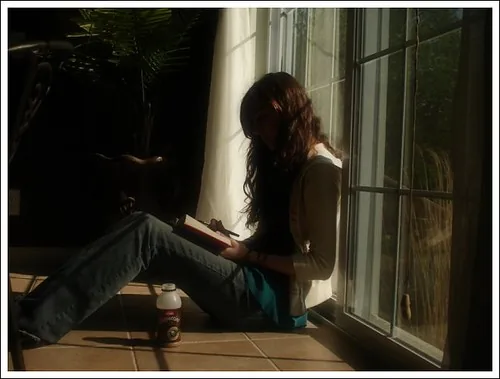
A general entry such as “a quiet afternoon at home” may be true but difficult to revisit. Add something particular: which room, what you were doing, what was outside the window. Ordinary details distinguish one quiet afternoon from another. You do not need to explain their importance in advance. Their value may only become clear when the house, routine, or view has changed.
Descriptions can also include uncertainty. “I think the first blossom opened this week” is different from a dated observation of an open flower. If you want a reliable seasonal record, make the observation before the interpretation. If you are simply collecting impressions, label them as impressions. The notebook can hold both kinds of writing without pretending that memory and measurement are identical.
Choose privacy deliberately
Decide where the book will live and whether anyone else is invited to read it. In a shared home, an attractive notebook left open on the kitchen table may not feel private. You can keep personal reflections elsewhere and use this volume for observations you are comfortable leaving visible. There is no obligation to include names, addresses, or other people's private stories in order to make an entry vivid.
When recording a conversation, distinguish a remembered summary from an exact quotation. Ask before sharing a page that identifies somebody else. The same applies to photographs of handwriting, tickets, or correspondence pasted into the book. A small record made for yourself does not automatically belong on a public account. Deciding its audience early can make the writing feel less performative.
Keep the physical book easy to use
Store a pencil or pen nearby, but do not clip anything so tightly that it damages the cover. The Library of Congress recommends clean handling and separating food and drink from paper collections. At home, that can be as simple as moving the mug to another surface before writing. If you add loose material, avoid making the book so bulky that the binding is forced open.
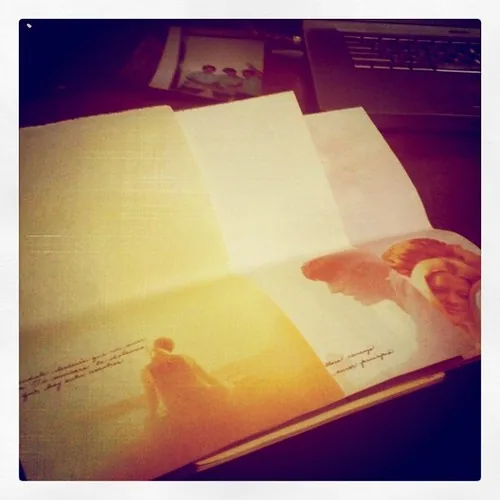
For irreplaceable letters or photographs, use copies rather than treating a daily notebook as a conservation project. The Library's album guidance favors suitable materials and nonadhesive mounting methods for objects meant to last. Your notebook can remain informal, while important originals receive more careful housing. The distinction lets a working page be experimental without risking something you cannot replace.
Return without making up missed days
After a gap, use the actual date. You may write a brief recollection of the missing period, clearly labeled as something remembered later, or begin with today. Neither choice requires an apology to the notebook. At the end of a month, look back for one detail you would have forgotten. That is a more useful test than counting completed pages. The book has done its job when it preserves something specific about an ordinary life.
Sources & further reading
Background sources for the factual guidance in this story. Suggested exercises and arrangements are editorial interpretations.