Reading a little more slowly
Give one book your attention without turning reading into a race.
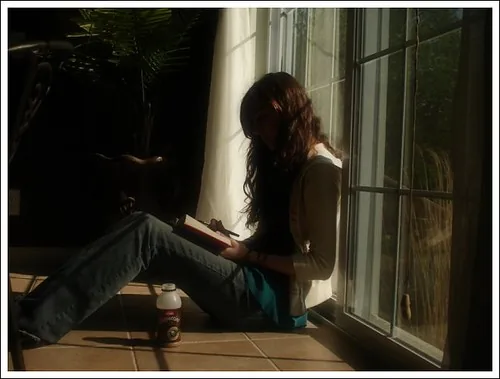
A book can become another object to finish, stack, and count. That approach has its uses, but it is not the only way to read. Slower reading begins with a different unit of attention: a scene, an argument, a paragraph whose shape interests you. You may still read quickly when a story carries you. The change is that speed stops being the measure of whether the time was worthwhile. Choose a book you actually want to spend time with, rather than one that represents an improved version of yourself.
Choose the next encounter, not the whole year
Begin with what is available through your shelf or library. Read a page before making a larger commitment. Is the voice inviting today? Does the type size work for you? Would an audiobook or a digital edition make access easier? The reading experience depends on the reader and circumstances, so there is no reason to treat a printed book as morally superior to another format.
Instead of planning an ambitious annual total, decide what the next encounter might contain. One scene, one short essay, or a few pages with a clear stopping point is enough. If you are reading for work or study, the task may impose a different pace. Keep that practical reading separate from the part you can choose, rather than expecting one method to serve every purpose.
Make a place that supports the page
Use a chair where you can sit comfortably and a light that makes the text easy to see without a distracting reflection. Check the arrangement by reading, not by photographing it. A lamp that looks pleasant from across the room may be poorly positioned for the actual page. Move a nearby object if it competes for the small space where the book needs to rest.
The Library of Congress's book handling guidance emphasizes clean hands and supporting books appropriately. Avoid forcing a resistant binding flat to make the page easier to hold. A valuable or damaged volume may need more support than an everyday paperback. Keep food and drink separate, and use a bookmark rather than folding a page corner. These habits help the book remain usable for another reading.
Notice the kind of attention the text asks for
A poem, a recipe, a novel, and a historical argument do not invite the same reading. A poem might benefit from being spoken aloud; a factual claim may send you to a note or source. For a novel, you may simply want to stay with the scene. Slower reading does not mean stopping after every sentence to manufacture an insight. Sometimes the most attentive choice is to continue.
When you do pause, ask a specific question. What changed in this paragraph? Which detail established the room? Does the conclusion follow from the evidence the writer supplied? These questions let the text guide the interruption. A general demand to find meaning can turn a pleasant half hour into an exam. You are allowed to enjoy an image or a rhythm without explaining it completely.
Leave a small trace
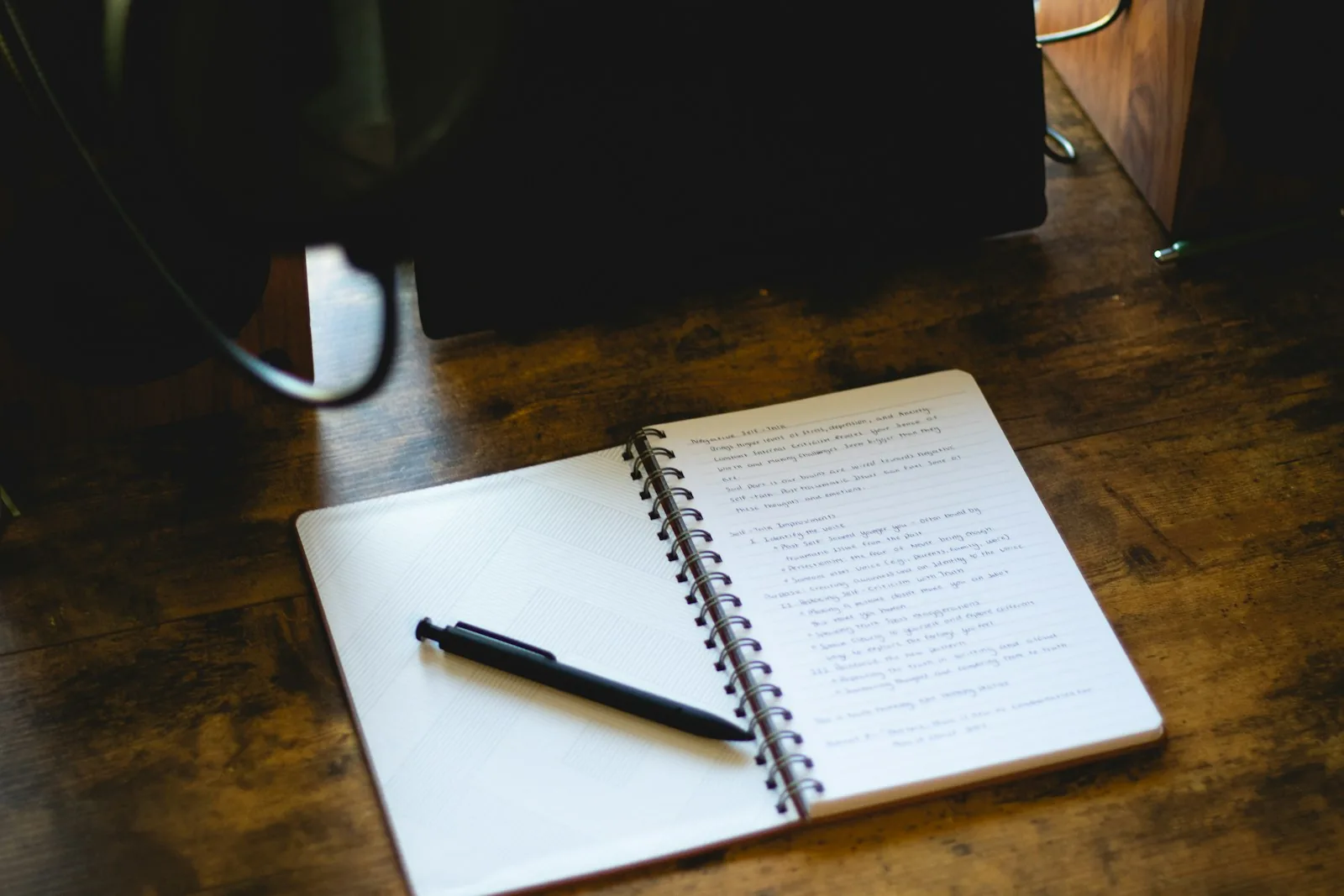
If a passage matters, record the title, author, edition, and page or chapter reference before copying a short extract into a separate notebook. Mark your own response clearly. A line remembered approximately should not appear as an exact quotation. This modest discipline helps you return to the passage later and prevents somebody else's words from gradually becoming detached from their source.
You can also write a single sentence about the session: an unresolved question, a character you mistrust, a term to check. Notes need not summarize every page. If writing breaks the reading experience, skip it. For a library book, leave no marks or adhesive notes that could damage the page. A loose, clean bookmark can hold your place without asking the next reader to inherit your system.
Decide how to stop
Ending a session does not have to mean completing a chapter. You might stop at a paragraph break and write a few words about where you are. The next time you open the book, reread a little before continuing. The purpose is a gentle route back into the text, not perfect recall. Some books are easy to reenter; others ask for more continuity than your current routine allows.
If a chosen book remains difficult to return to, identify the reason before blaming your attention. The subject may not interest you now. The edition may be uncomfortable to read. You may have selected a demanding book for a time when you need something lighter. Returning it or placing it aside is an ordinary reading decision, rather than a failure of discipline.
Let rereading count as reading
An old favorite can offer a different encounter because you bring different questions to it. Compare a remembered scene with what is actually on the page. Notice a supporting character or the handling of time. You do not need novelty to make the session legitimate. At the end, the useful question is what held your attention and what you would like to return to. A smaller number of completed books can still contain a rich and varied reading life.
Sources & further reading
Background sources for the factual guidance in this story. Suggested exercises and arrangements are editorial interpretations.