Keeping a calendar of small seasonal changes
Record what happens where you live instead of borrowing somebody else's season.
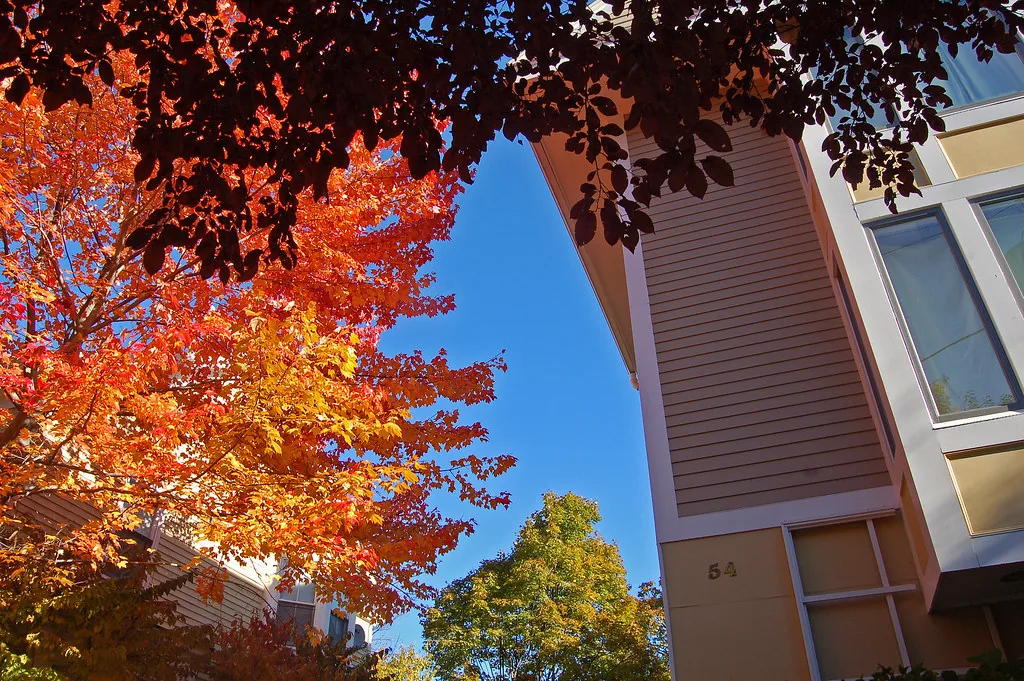
A seasonal calendar can begin with one dated observation rather than a picture of what the month ought to look like. A bud opens, a familiar branch changes, or a flower remains visible later than you expected. Record the event where you live and leave the expectation beside it as a separate thought. The calendar is a way to make return and comparison easier. It does not need to become a complete scientific dataset, but it benefits from the same basic honesty about what was observed, when, and with what limits.
Choose a few things you can revisit
Select accessible subjects that are easy to recognize again: one tree, a patch of planting, or a view from home. Do not choose so many that the record becomes a list of missed obligations. A small set followed consistently can be more useful than a broad collection of disconnected impressions. Check that observation is permitted and possible without damaging plants or disturbing wildlife.
The USA National Phenology Network explains phenology through the timing of recurring events in living things. That provides context for following leafing or flowering. Your own calendar can remain informal, but if you intend to contribute observations to a program, read its definitions and instructions first. A date in a personal notebook is not automatically compatible with every monitoring method.
Define the observation before recording it
Write what you mean by the event you plan to follow. Is it the first open flower you can see from your usual position, or the presence of any open leaves on a particular branch? The exact definition affects comparison. Avoid switching between a close inspection and a distant glance without noting the change. A consistent limit is more useful than an apparently complete record assembled through different methods.
Keep species identification separate from event status. If you do not know the plant's name, describe it and leave the identification open. Use a reliable regional guide or appropriate help when needed. A guessed name can bring incorrect expectations about its season. The calendar should preserve the subject you saw, not quietly replace it with the plant you assumed it was.
Record visits as well as changes
Write the dates when you looked and did not see the chosen event, provided the view allowed a reasonable observation. These entries help establish the interval in which a later change may have occurred. If you only record the exciting first sighting, it is easy to forget that you had not checked for several days. A visit without change is still part of the evidence.
Do not turn “not observed” into a confident absence when rain, distance, or an obstruction prevented a clear view. Use a separate mark for uncertain or unavailable observations. The National Park Service's journaling approach values questions and context alongside descriptions. Keeping the limits visible allows a future reader, including your future self, to understand why the record has a gap.
Distinguish first seen from first happened
If a flower is open when you return after a week, you know it was visible on that visit. You may not know which day it opened. Record the first-seen date and the previous suitable observation rather than inventing an exact onset. This distinction matters when comparing years with different visit intervals. A precise-looking table can still contain uncertain dates.
Use a short note for relevant conditions you actually know. Describe wet ground rather than guessing rainfall totals. Record a location change or a different viewpoint. Avoid adding a numerical measurement unless you made it with an appropriate method. The calendar's value comes from accurate modest information, not the appearance of technical detail.
Keep the year local
A seasonal pattern from another climate or hemisphere may be interesting without being a schedule for your home. Let the calendar show what you encounter rather than correcting it toward a familiar image of spring or autumn. Some places have different meaningful seasonal divisions. You can describe the local sequence in your own terms while preserving dates and clear observations.
Likewise, one plant and one year cannot establish a broad environmental trend. Comparison can raise a question worth investigating through larger datasets and expert sources. It should not be presented as proof of a regional cause. The small calendar remains worthwhile when its conclusions stay at the scale the observations can support.
Return to the record with a new question
At the end of the period, look for the clearest sequence and the most important uncertainty. Perhaps the useful next step is more regular visits during a short transition, or a better identification of the plant. Keep old definitions and corrections visible rather than rewriting the year into a cleaner story. A seasonal calendar is a practice of return: a way to notice that the familiar place continued changing, and to meet those changes with a little more precision next time.
Sources & further reading
Background sources for the factual guidance in this story. Suggested exercises and arrangements are editorial interpretations.