A year in twelve ordinary photographs
Choose a repeatable view and preserve a modest visual record of the year.
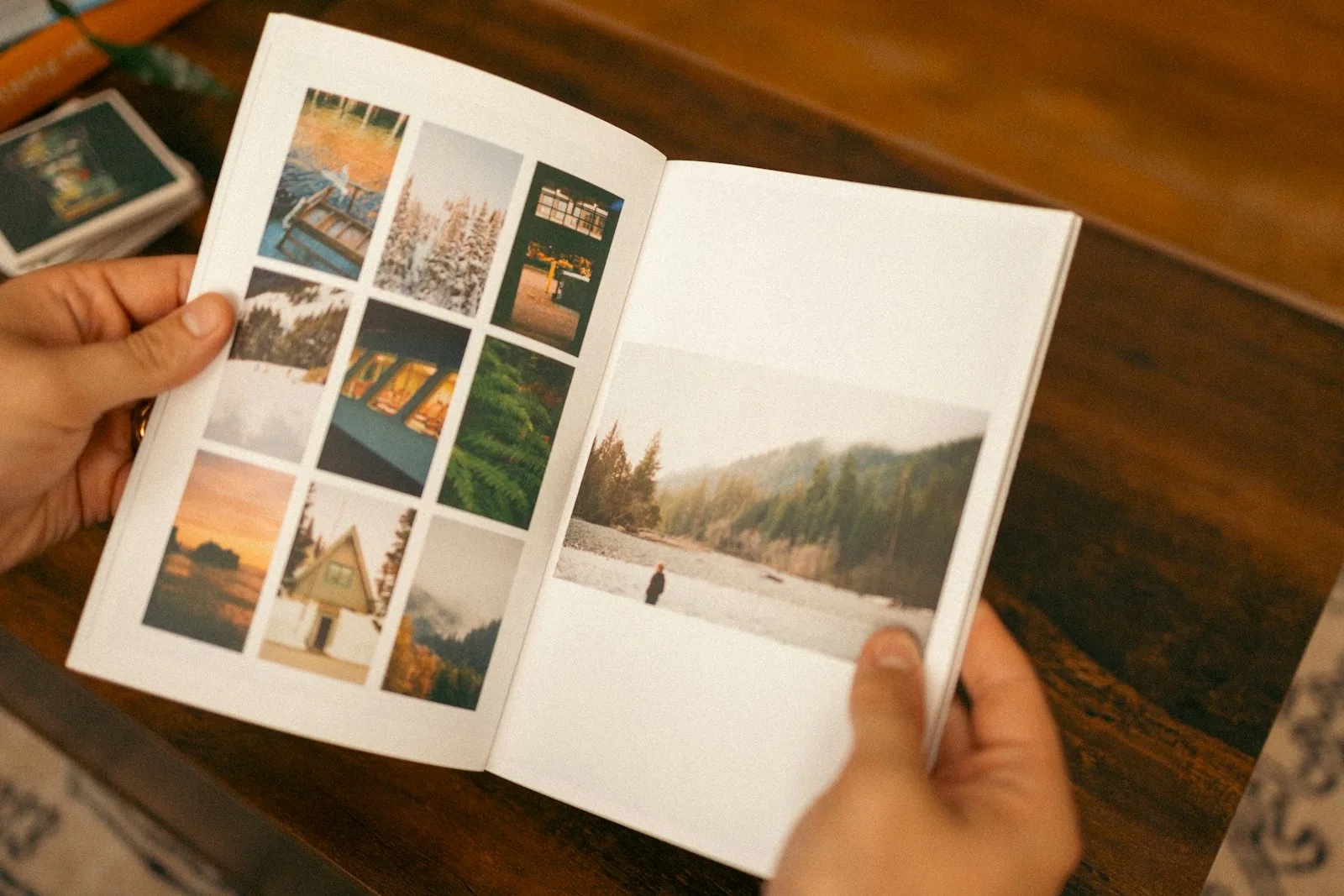
Twelve photographs can make a year visible without trying to contain every important event. Choose a repeatable view, return roughly once a month, and let the differences emerge. The subject might be a tree from a permitted public position, a window view, or a small part of your own home. It does not have to become spectacular. The project is a modest visual record, with dates and context that keep the images honest about what they show and what they cannot explain.
Choose a view you can return to
Look for a subject that remains available without a special trip or difficult access. A view dependent on permission, opening hours, or a long journey may be hard to sustain. Choose a lawful position that does not intrude on other people's private spaces. A familiar tree or roofline can provide a stable reference, while changing light and vegetation supply variation around it.
Decide whether the frame follows a fixed place or a particular object. Those are different projects. If you photograph the same tree after moving to another viewpoint, label that change rather than pretending the sequence is identical. The National Park Service's journaling resources emphasize context and observation; the same principle can support a photographic record even when the camera replaces the pencil.
Make the first image a reference
Write the date, approximate time, and where you stood. Note the direction of the view in a way you can recognize later. A simple sketch or a description of fixed edges can help recreate the frame without placing a marker in the environment. Do not alter a public place or natural feature to make future photographs easier to align.
Use equipment you already know how to handle. The project does not require a new camera or a complicated editing process. Keep the original file and record any crop or adjustment separately where it matters to comparison. An edited image can be an attractive personal picture, but it should not quietly replace the observation you later use to explain a change.
Return with consistency and flexibility
Choose a practical reminder rather than a rigid rule that makes one missed day feel fatal. If access or conditions are unsuitable, take the photograph later and record the actual date. Do not backdate an image to keep a tidy calendar. A sequence with honest intervals is more useful than one whose apparent regularity depends on invented information.
Try to use a similar viewpoint and framing, while noting unavoidable differences. Camera exposure and white balance can alter apparent brightness and color. A photograph that looks warmer does not establish a measured temperature change, and a darker image may reflect settings rather than the scene. Add a short written observation to preserve the conditions you actually noticed.
Give each image one sentence of context
Write what is visible and what is uncertain. “Leaves visible on the upper branch” is an observation; a claim about exactly when they opened may require earlier visits. A person, vehicle, or temporary object in the frame can change the image without explaining a seasonal process. Keep the context specific rather than turning every month into an emotional summary of the entire year.
If the view contains wildlife, do not provoke movement, feed animals, or approach sensitive activity for a better comparison. If it contains people, consider whether they can be excluded or whether permission is appropriate before sharing. A private visual exercise does not automatically create a right to publish other people's identities or routines. Choose the intended audience deliberately.
Preserve the files and the explanation together
Use clear filenames that include the real date and a short subject reference. Keep the written notes with the image set, and maintain a separate backup appropriate to your own file system. A folder name alone may not preserve the context if files are later copied elsewhere. Do not treat a social-media account as the only place where the project's originals exist.
Physical prints require different care from digital files. The Library of Congress's photograph guidance emphasizes suitable enclosures, careful handling, and avoiding damaging adhesives. If you make an album, use materials appropriate to photographs and keep its weight manageable. A decorative scrapbook and a preservation album serve related but different purposes; do not assume any attractive sticky-page product is suitable for important prints.
Read the twelve images without forcing a story
At the end of the year, arrange the images in date order and look for what the sequence genuinely supports. Perhaps the view changed less than expected, or a small detail became the year's center. Missing months and changed frames should remain visible in the account. Twelve photographs cannot represent every day or prove a broad environmental trend. They can preserve a particular relationship with a place: ordinary enough to revisit, specific enough to remember, and still open to another year of looking.
Sources & further reading
Background sources for the factual guidance in this story. Suggested exercises and arrangements are editorial interpretations.