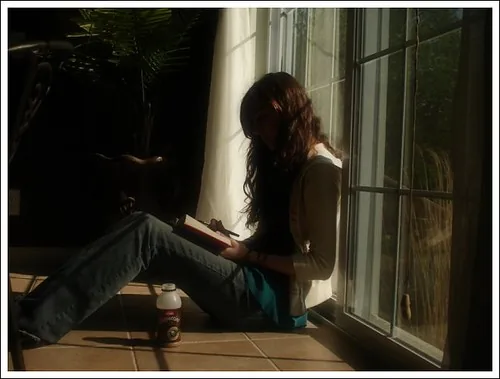
A weekend with one open afternoon
Leave a little space in the plan, and decide what it is for.

An empty square on a calendar can feel like a possibility or a problem waiting to be solved. Before filling it, consider leaving one afternoon deliberately open. This does not mean avoiding commitments that matter or pretending everyone controls their working hours. It means noticing a piece of time that is genuinely yours to arrange, however small, and resisting the urge to assign it more than it can hold. The afternoon can remain ordinary. Its value is that you have made a little room for a choice.
Find the part that is actually available
Look at work, care, travel, and household obligations first. An afternoon is not open if another person must quietly absorb everything you have set aside. Talk through shared responsibilities and decide what can reasonably wait. If the available space is an hour rather than half a day, use the hour. The exercise is about the relationship between a plan and your circumstances, not about owning a certain amount of leisure.
Choose a beginning and an ending. These boundaries make it easier to leave the middle undecided. You might begin after a necessary errand and finish before preparing the evening meal. Avoid arranging the rest of the weekend so tightly that the open interval becomes the only place where every delayed task can land. A little buffer around a plan often matters as much as the plan itself.
Keep a small menu of possibilities
Write down three things that are available without substantial preparation. One might be indoors, one outdoors, and one shared with another person who has agreed to it. Reading a borrowed book, looking closely at household objects, or taking an accessible familiar walk are possibilities, not requirements. The Horniman Museum's home observation activity and NPS nature journaling resources both begin with attention to what is already nearby.
Make each possibility concrete enough to start. “Do something creative” asks you to decide twice. “Draw the cup on the table with a pencil” gives you a first action. “Go somewhere interesting” can turn into an hour of searching. “Walk to the public garden if conditions and access permit” is easier to evaluate. Leave room to choose none of the three if the afternoon arrives differently than expected.
Separate the invitation from the ambition
If you choose a book, you need not finish it. If you choose a walk, you need not discover a new route. If you choose a craft, a small sample can be enough. A leisure plan becomes heavy when it is asked to produce a completed object, improved skill, memorable experience, and attractive photograph all at once. Decide which part you actually want before adding a second purpose.
This is especially useful with hobbies you associate with an earlier version of yourself. You may like the idea of painting more than the work of setting out paints today. Try a simpler material or choose another activity without making it a statement about your identity. An afternoon can answer a small question about what you enjoy now; it does not have to restore an entire lost interest.
Plan for weather without letting it run the day
For an outdoor option, check conditions and local access information at the time. NPS guidance on responsible visits emphasizes preparation, respect for routes, and consideration for other people and wildlife. Those are practical constraints, not reasons to make the outing elaborate. Keep an indoor possibility ready so that unsuitable weather does not turn the whole afternoon into a canceled event.
If you stay home, use a place that is already comfortable enough. You do not need to reorganize the room before you can sit in it. Clear only the surface the activity requires. A book can live beside an unfinished household task without demanding that the entire home become peaceful first. Leaving the larger project for another time is different from ignoring a necessary responsibility.
Let company be a choice
An open afternoon can include somebody else, but check that the invitation matches what you are offering. “Come for a short walk” is clearer than a vague invitation that becomes an all-day expectation. If you want to sit and read alongside a friend, say so. Shared time need not be filled with conversation or an impressive meal to feel hospitable.
Solitude also need not become isolation. You can keep a necessary phone connection and still choose a less divided activity. If being alone does not suit the day, change the plan. The point is to create a usable choice rather than prove that you can enjoy an ideal form of quiet. Different afternoons can ask for different amounts of company, movement, or stillness.
Leave one small memory of the time
At the end, note what you actually did in a sentence. Include the ordinary detail that distinguishes it: where you stopped, which page you returned to, the color of the cloth you used. Skip the score for whether the afternoon was relaxing enough. A plan with breathing space succeeds when it accommodates a real day, including interruptions and changed preferences, without becoming another standard you have to meet.
Sources & further reading
Background sources for the factual guidance in this story. Suggested exercises and arrangements are editorial interpretations.