A rainy day at home
Make an inviting indoor plan that can survive interruptions and limited space.
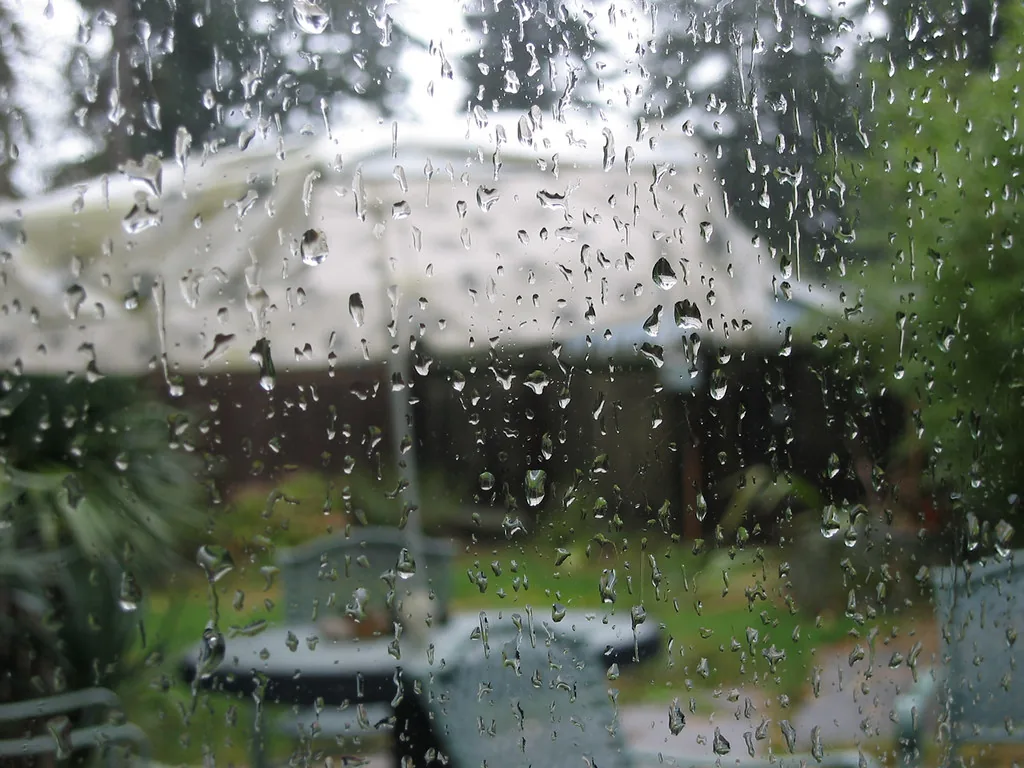
A rainy day can make staying indoors feel like a choice made for you. Before filling it with a complete program of cozy activities, look at the time, space, and energy actually available. An ordinary afternoon at home does not need to become a carefully staged retreat. Choose one small thing that suits the circumstances, prepare a usable surface, and leave room for interruptions. The point is to make the day easier to inhabit, rather than judge it by how closely it resembles a photograph of rain on glass.
Separate the necessary work from the optional plan
Write down what genuinely needs attention and what you would simply like to do. A short necessary task may help clear space, but avoid expanding it into a whole-house project before allowing yourself to sit down. If the day includes work or care responsibilities, acknowledge those limits. An indoor plan should fit around real obligations without quietly passing them to somebody else.
Choose one optional activity with a clear first step. Reading a short essay, drawing a cup, or sorting one small repair can be more usable than a broad instruction to be creative. The Horniman Museum's home observation activity begins with familiar objects and spaces, which makes it possible to start without special supplies or a new destination. Let the ordinary material be enough.
Make a small working area
Clear only the surface you need. A table can hold a notebook while the rest of the room remains lived in. Check that the light suits the task rather than accepting a dim arrangement because it feels atmospheric. If you are sewing or reading small print, practical visibility matters. Use existing suitable lighting and avoid unfamiliar electrical arrangements as part of a casual indoor activity.
Keep food and drinks separate from paper, tools, and valued textiles. The Library of Congress recommends a clean area and no refreshments near collection material; that principle is easy to adapt to an ordinary writing table. Place the cup somewhere stable before opening a book or spreading out a letter. A simple separation can preserve the unhurried feeling better than trying to repair a preventable spill.
Choose something with a comfortable stopping point
A page of drawing, one article, a small group of photographs to identify, or a single button repair can give the interval a shape. Do not choose a project solely because it looks suitably domestic. If you do not enjoy the process, a more elaborate arrangement of materials will not necessarily make it appealing. The day can include a film or another screen-based activity if that is what you deliberately want.
For an unfamiliar craft, begin with expendable materials rather than a valuable object. A paper offcut or scrap of cloth offers room to learn. Keep sharp tools contained, follow relevant instructions, and stop when the material or technique is beyond what you understand. A rainy afternoon is not a reason to improvise an irreversible repair on something irreplaceable.
Let the window be a view, not an obligation
If looking outside interests you, describe what can be seen from a safe indoor position. Rain on glass may obscure details, and the appearance of a wet surface does not reveal the full weather history. Keep the note modest: patterns of droplets, changing visibility, or the movement of a branch. You do not need to turn the observation into a weather prediction.
Avoid leaning out or altering a window arrangement for a better photograph. If conditions require attention to official weather guidance or a household issue, respond to that rather than continuing an aesthetic exercise. The view is optional. A room without an interesting window can still hold a satisfying activity, conversation, or a period with no particular output.
Make shared time specific
If other people are home, offer a clear invitation rather than a complete schedule. Read alongside each other, choose a short shared activity, or agree on a film everyone actually wants. Participation can take different forms. Somebody may prefer listening, observing, or doing nothing at the table. A pleasant indoor plan should not require everyone to perform the same version of quiet enjoyment.
Discuss space and sound when preferences differ. One person may need a working surface while another wants music. A small adjustment or a different interval can be more useful than declaring the whole home a retreat. The ordinary negotiation is part of living together, and it need not be hidden for the day to feel considered.
Leave the day easy to continue
When the activity ends, put tools away securely, return borrowed surfaces to use, and leave a short note if a project is unfinished. Notice one detail you enjoyed without scoring the afternoon as productive or restorative. Rain may have changed the plan, but it did not require a replacement event of equal ambition. A modest chosen activity can give the day a little structure while leaving the rest of ordinary life room to happen.
Sources & further reading
Background sources for the factual guidance in this story. Suggested exercises and arrangements are editorial interpretations.